Understanding the National Sustainability Reporting Framework (NSRF)

Understanding the National Sustainability Reporting Framework (NSRF)

Understanding the National Sustainability Reporting Framework (NSRF)

On 24 September 2024, Malaysia launched the National Sustainability Reporting Framework (NSRF) to guide companies in disclosing environmental, social, and governance (ESG) performance in a clear, consistent, and globally aligned way. Developed in response to growing regulatory and investor expectations, the NSRF supports Malaysia’s shift towards sustainable business practices and reflects international benchmarks, including the standards of the International Sustainability Standards Board (ISSB)—specifically IFRS S1, which covers general sustainability-related disclosures, and IFRS S2, which focuses on climate-related risks and opportunities.

In this article, we will break down the NSRF, its relevance to Malaysian businesses, and the steps companies can take to align with the sustainability reporting framework and meet evolving ESG requirements.

What is the National Sustainability Reporting Framework (NSRF)?

The national sustainability reporting framework provides a structured approach for Malaysian companies to disclose ESG-related risks, opportunities, and performance. It sets out clear reporting expectations, aiming to build trust and accountability while helping organisations stay competitive in a rapidly evolving market.

By aligning closely with global frameworks such as the ISSB standardsIFRS S1, and IFRS S2, the NSRF ensures Malaysian companies can meet both local compliance obligations and international investor expectations.

The Role of the NSRF in Malaysia’s ESG Landscape

The NSRF plays a central role in Malaysia’s broader ESG strategy, complementing both the Malaysia ESG framework and the SSA framework developed by Bursa Malaysia. It integrates key global reporting references, including the UN Sustainable Development Goals (SDGs), the Global Reporting Initiative (GRI), and the Task Force on Climate-Related Financial Disclosures (TCFD). 

To support digital and standardised reporting, Bursa Malaysia has also introduced the Centralised Sustainability Intelligence (CSI) platform, which is the official platform for submitting ESG disclosures under the sustainability reporting framework.

Additionally, leading providers work in close collaboration with Bursa Malaysia to support companies with ESG reporting, offering practical guidance on data preparation and platform submission for ongoing compliance.

Who Needs to Comply with the NSRF?

The NSRF applies to a wide range of organisations in Malaysia, from listed issuers to large non-listed entities. While initial adoption may be voluntary for some, compliance is gradually becoming mandatory across company tiers, in line with national ESG objectives.

Phased Implementation

The rollout of the NSRF follows a structured, three-year timeline: 

  • 2025: Large Main Market issuers with a market capitalisation of RM2 billion or more 
  • 2026: All other Main Market issuers 
  • 2027: ACE Market issuers and large non-listed companies 

This phased approach allows businesses time to build internal capabilities and integrate ESG reporting into existing operations.

Why Does the NSRF Matter for Malaysian Businesses?

Enhancing Corporate Sustainability

The NSRF encourages organisations to embed sustainability into their business strategies. By reporting on emissions, resource consumption, and labour practices, companies can identify operational risks and set measurable improvement targets. This also supports broader national priorities such as climate adaptation and low-carbon development.

Building Stakeholder Trust

Investors, regulators, and consumers now expect transparency in ESG performance. A well-prepared sustainability report in Malaysia can strengthen credibility and demonstrate commitment to long-term value creation. The NSRF gives companies a standardised way to communicate ESG efforts, improving trust and stakeholder engagement.

Staying Competitive in a Global Market

Alignment with IFRS S1, IFRS S2, and the broader ISSB standards allows Malaysian companies to meet the expectations of global investors and business partners. This positions them more favourably in cross-border transactions, especially in sectors where ESG reporting is a key part of procurement or partnership decisions.

Supporting Malaysia’s Net-Zero Goals

As part of its national low-carbon roadmap, Malaysia has committed to achieving net-zero emissions by 2050. The NSRF contributes to this by helping companies track and disclose climate data, ultimately improving the quality and availability of climate reporting at the national level.

Key Requirements of the NSRF

Core Components of the Sustainability Reporting Framework

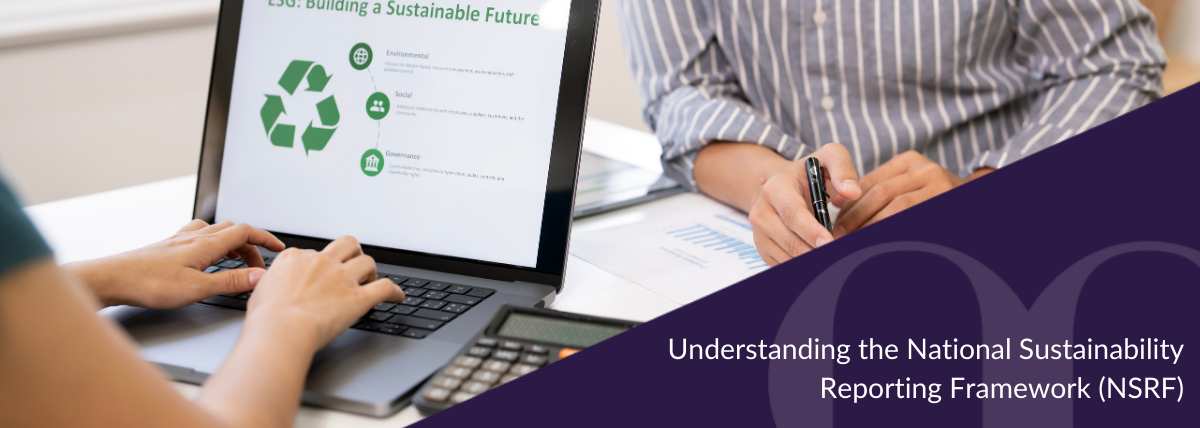
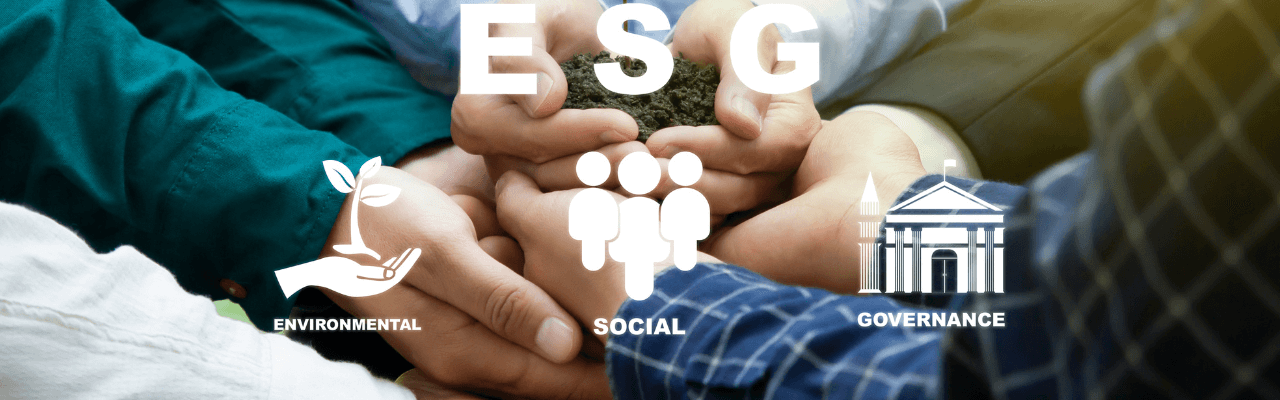
The sustainability reporting framework requires companies to report across three ESG pillars: 

  • Environmental: Carbon emissions, energy use, waste management, water efficiency 
  • Social: Labour practices, diversity and inclusion, employee well-being 
  • Governance: Board diversity, ethics policies, anti-corruption measures 

These indicators enable stakeholders to assess both risk exposure and the company’s long-term sustainability strategy.

Reporting Standards and Guidelines

The NSRF aligns closely with international frameworks such as the GRI, Sustainability Accounting Standards Board (SASB), and ISSB standards. In particular, IFRS S1 outlines general sustainability-related disclosures, while IFRS S2 focuses on climate reporting. Companies are expected to reference these standards in developing their sustainability report in Malaysia.

Templates and guidance documents are available through Bursa Malaysia, designed to standardise reporting formats and improve comparability.

Data Collection and Documentation

Accurate data collection is central to effective ESG reporting. Companies need to gather quantitative and qualitative data from across departments, including environmental performance metrics, HR records, and board governance disclosures. Transparency and consistency are key to avoiding greenwashing concerns.

Centralised Sustainability Intelligence (CSI) Platform

Bursa Malaysia’s CSI platform is the designated system for submitting NSRF reports. It facilitates centralised data uploads, real-time analytics, and benchmarking tools, improving the quality and efficiency of climate reporting. Adoption of the CSI platform is mandatory for all reporting entities under the framework.

Compliance Deadlines and Reporting Frequency

Reporting frequency is expected to be annual, timed to follow financial year cycles. Companies must submit their sustainability report in Malaysia by the deadline specified under the NSRF, depending on their categorisation. Non-compliance may affect listing status or trigger regulatory scrutiny.

Steps to Start Sustainability Reporting Under the NSRF

Understand the Framework

Begin by reviewing the national sustainability reporting framework, including its timelines, reporting templates, and guidance documents. Identify your organisation’s ESG priorities and align them with the reporting requirements under IFRS S1 and IFRS S2.

Build Internal Capacity

Form a sustainability working group or appoint an ESG officer to oversee data collection and compliance. Training sessions can help operational teams become familiar with reporting expectations, risk areas, and the importance of accurate climate reporting.

Invest in Technology and Tools

Digital tools play a key role in managing ESG disclosures. ESG software can simplify data consolidation, generate reports based on ISSB standards, and facilitate submission through the CSI platform. Some platforms now incorporate AI features that assist with data mapping, flagging inconsistencies, and generating draft narrative content aligned with IFRS S1 and IFRS S2, supporting a more efficient and accurate reporting process.

Engage Stakeholders

Communicate your sustainability goals and reporting commitments to key stakeholders. This includes internal teams, shareholders, regulators, and customers. Businesses may also consider engaging third-party consultants or ESG specialists to improve reporting quality and navigate regulatory requirements.

Submit and Monitor Reports

Once data is compiled and validated, submit it via the CSI platform according to your reporting schedule. Post-submission, track performance against industry benchmarks and update your ESG strategy based on stakeholder feedback.

Next Steps for Climate Reporting Under the NSRF

The national sustainability reporting framework marks a turning point for companies operating in Malaysia, particularly as investor scrutiny and regulatory requirements continue to rise. With the phased rollout already underway, businesses need to prioritise ESG readiness—not just to remain compliant, but to stay competitive in a shifting global landscape.

As sustainability reporting becomes more technical and time-sensitive, having the right support can significantly ease the process.

Partnership with BoardRoom

BoardRoom Malaysia offers tailored support to businesses preparing for the NSRF, particularly through our SSA-related services. In collaboration with Bursa Malaysia, we provide expert guidance on ESG disclosure, regulatory compliance, and platform submission via the CSI platform. 

Whether you’re developing your first sustainability report in Malaysia or looking to improve existing practices, we help streamline the reporting journey—from early planning through to final publication. Get in touch with us here at BoardRoom Malaysia to explore how we can support your next reporting cycle.

Contact BoardRoom for more information:

Chong Kok Wai

Chong Kok Wai

Regional Director of Sustainability

E: [email protected]

Related Business Insights

How to Conduct Effective ESG Due Diligence in Malaysia

How to Conduct Effective ESG Due Diligence in Malaysia

How to Conduct Effective ESG Due Diligence in Malaysia

Businesses today face increasing pressure and expectations from their stakeholders to operate responsibly, ethically, and sustainably. This means that they not only need to consider the financial implications of their activities but also the environmental, social, and governance (ESG) aspects. These factors can have significant impacts on the long-term success and viability of a business.

How can businesses ensure that they are addressing the ESG aspects of their activities comprehensively and effectively? How can they identify and evaluate the ESG risks and opportunities that they face and take appropriate actions to mitigate the risks or capitalise on the opportunities? How can they demonstrate and communicate their ESG performance and progress to their stakeholders? This is where ESG due diligence comes in.

What is ESG?

ESG stands for Environmental, Social, and Governance. These are the three main categories of criteria that measure the sustainability and ethical impact of a business.

ESG criteria can help investors, customers, employees, and other stakeholders evaluate how an organisation performs on the following aspects:

Environmental
This refers to how a business protects the environment and minimises its negative effects on natural resources, climate, and biodiversity. Some examples of environmental criteria are greenhouse gas emissions, energy efficiency, waste management, and water conservation.
Social
How does a business treat its people and the communities where it operates? The social criteria answer this question by looking at aspects such as labour standards, human rights, diversity and inclusion, health and safety, and customer satisfaction.
Governance
A business that manages and governs itself with integrity and transparency is more trustworthy and accountable. The governance criteria help measure this by looking at elements like board structure, executive compensation, business ethics, anti-corruption, and transparency.

ESG criteria are not fixed or universal but rather depend on the industry, market, and context of each business. Different stakeholders may have different expectations and preferences for ESG performance and disclosure. Therefore, companies need to conduct ESG due diligence to identify and address the most relevant and material ESG issues for their operations and stakeholders.

Due diligence

What is Due Diligence in ESG?

Due diligence in ESG is the process of identifying, evaluating, and addressing a business’s ESG risks and opportunities. Organisations may do this for various purposes, such as mergers and acquisitions, investment decisions, compliance and reporting, and stakeholder engagement. It helps them understand their ESG performance, liabilities, and potential and align their ESG strategies, policies, and practices with the best practices and standards in their industry and market. Due diligence in ESG also assist companies in demonstrating and communicating their ESG commitment and contribution to their stakeholders and the wider society.

What Are the Steps Involved in ESG Due Diligence?

ESG due diligence can vary depending on the scope, objective, and context of the process.

However, a general framework for ESG due diligence can consist of the following steps:

Scoping

Begin by clearly defining the purpose, scope, and timeline of the ESG due diligence Identify key ESG issues, stakeholders, and relevant information sources to shape the direction of the evaluation.

Screening

Initiate the process with a preliminary assessment of the business’s ESG risks and opportunities. Prioritise the most significant and relevant issues, setting the stage for further in-depth investigation and necessary actions.

Assessing

Delve into a comprehensive analysis of the business’s ESG performance, identifying gaps and potential areas for improvement. Verify collected ESG information, benchmark against industry standards, and assess alignment with best practices to provide a thorough evaluation.

Implementing

Translate findings into a proactive ESG action plan. Develop and implement strategies based on the evaluation, outlining clear goals, indicators, and targets. Allocate resources and responsibilities strategically to ensure effective execution of the action plan.

Monitoring and reviewing

Keep a vigilant eye on ESG performance, tracking progress and impact. Regularly review and assess results and communicate outcomes to stakeholders. Adjust and enhance the ESG due diligence process as needed, ensuring continuous improvement.

Malaysia due diligence process

What Is the Importance of ESG Due Diligence?

ESG due diligence is not only a good practice but also a strategic necessity for businesses that want to succeed in the long term.

It can help organisations to:

  • Enhance their financial performance: ESG due diligence can help businesses identify and capitalise on the ESG opportunities that can improve their efficiency, innovation, and competitiveness. It can also help them mitigate and manage the ESG risks that can affect their profitability, liquidity, and solvency.
  • Strengthen their reputation: ESG due diligence empowers companies to showcase not just their commitment but also their active contribution to ESG concerns valued by stakeholders. It acts as a foundation for building and sustaining trust, loyalty, and satisfaction among stakeholders. Additionally, ESG due diligence serves as a protective shield, averting potential reputational damage and crisis scenarios.
  • Foster their sustainability: ESG due diligence propels organisations towards aligning their operations with ESG principles that support sustainable development. It serves as a guiding force, steering them to create positive ESG impacts. In turn, these benefits not only their immediate stakeholders but also contribute to the broader well-being of the community and the environment.

Are There Any Tools or Bodies That Help with ESG Due Diligence?

Various tools and bodies can help businesses with ESG due diligence, including:

  • ESG frameworks and standards: These are sets of guidelines and criteria defining and measuring the ESG performance and impact of a business. Some examples are the Global Reporting Initiative (GRI), the Sustainability Accounting Standards Board (SASB), the Task Force on Climate-related Financial Disclosures (TCFD), and the UN Principles for Responsible Investment (PRI).
  • ESG ratings and indices: These are tools that evaluate and compare the ESG performance and impact of a business. Notable examples encompass the Dow Jones Sustainability Indices (DJSI), the FTSE4Good Index Series, the MSCI ESG Ratings, and the Sustainalytics ESG Risk Ratings. For publicly listed companies in Malaysia, having a strong ESG rating can be a useful tool in demonstrating real sustainability action and compliance with exchange regulations.
  • ESG and auditors: These are professionals who provide ESG due diligence services and advice to businesses. They help enterprises conduct ESG due diligence, develop ESG action plans, and report ESG results and outcomes.

Common Challenges Faced in ESG Due Diligence

ESG due diligence is not without its challenges.

Some of the common challenges faced by businesses in conducting ESG due diligence are:

    Data quality and availability
    Companies face challenges due to scarce, inconsistent, or unreliable ESG data, especially in emerging markets or sectors. This complicates data collection, verification, analysis, and accurate reporting of ESG performance.
    Resource constraints
    ESG due diligence, particularly for SMEs or newcomers, is time-consuming, complex, and costly. Balancing ESG objectives with resource constraints requires careful allocation of resources and expertise.
    Stakeholder engagement
    Managing diverse stakeholders—regulators, customers, employees, suppliers, investors, and communities—in the context of ESG is challenging. Identifying, engaging, and satisfying their varied ESG interests demands a nuanced approach, including handling conflicts and trade-offs.
    Importance of ESG Due Diligence

    How Can BoardRoom Help You with ESG Due Diligence?

    BoardRoom is a leading corporate and advisory services provider in Malaysia and the Asia-Pacific region. BoardRoom can help you with ESG due diligence by offering the following:

    • ESG advisory: As a leading corporate services provider in Malaysia and the Asia-Pacific region, BoardRoom provides ESG expertise in multiple APAC jurisdictions . Tailoring strategies to your needs, BoardRoom assists in designing and implementing ESG initiatives, including due diligence, action plans, and reporting.
    • ESG compliance: BoardRoom helps ensure seamless ESG compliance with local regulatory requirements. BoardRoom also aids in preparing and submitting ESG disclosures, keeping your business aligned with evolving requirements.
    • ESG solutions: Access cutting-edge ESG reporting tool through BoardRoom. Facilitating connections with stakeholders, BoardRoom’s ESG Access enhances collaboration, and incorporate functionalities for reviewing, validating, and auditing. Stakeholders can contribute, review, and endorse reporting timelines, all within one platform. Our entity reporting feature allows you to easily organise users into groups (entities) and control/assign ESG metrics specific to each group, so you can improve decision making, identify growth opportunities and manage group risks. .

    If you are interested in ESG due diligence and how BoardRoom can help you, contact us today for a consultaion.

    Contact BoardRoom for more information:

    Tina Thomas_profile

    Tina Thomas

    Head of Environmental, Social and Governance

    E: [email protected]

    T: +60-3-7890 4800

    Related Business Insights

    ESG Reporting 101: A Definitive Guide for Malaysian Companies

    ESG Reporting 101 A Definitive Guide for Malaysian Companies

    ESG Reporting 101: A Definitive Guide for Malaysian Companies

    ESG reporting is gaining popularity in the business world, especially in the wake of the COVID-19 pandemic and the growing awareness of environmental and social issues. But what exactly is ESG reporting, and why is it important for companies? In this blog, we will answer these questions and provide you with some practical tips on how to do ESG reporting effectively and efficiently.

    What is ESG?

    ESG stands for Environmental, Social, and Governance and constitutes the fundamental pillars for evaluating a company’s performance impact on the environment, society, and its governance structure.

    It encapsulates a diverse array of considerations:

    Environmental
    Scrutinise the company’s management of its carbon footprint, waste, water, energy, biodiversity, and natural resources.
    Social
    Examine the company’s treatment of employees, customers, suppliers, communities, and stakeholders. Evaluate commitments to diversity, inclusion, health, safety, human rights, and customer satisfaction.
    Governance
    Investigate how the company conducts its business with ethics and transparency. Assess measures ensuring accountability, compliance, risk management, anti-corruption, and meaningful shareholder engagement.
    ESG Reporting

    What is ESG Reporting?

    ESG reporting is the process of disclosing and communicating the company’s ESG performance to its internal and external stakeholders. It can take various forms, such as:

    • Sustainability Reporting: A comprehensive document encompassing the company’s economic, environmental, and social performance. It outlines sustainability goals, strategies, and policies.
    • Integrated Reporting: A succinct report that combines financial and non-financial performance. It includes the company’s value creation model, risks, opportunities, and future outlook.
    • ESG Disclosure: A specific report or section focusing on the company’s ESG performance, metrics, and initiatives. This often aligns with recognised frameworks or standards.

    What is the Difference between ESG and Sustainability Reporting?

    While ESG and sustainability are often used interchangeably, they are not the same. Sustainability reporting is the overarching concept that encompasses ESG reporting and covers a wider range of topics beyond ESG factors, including supply chain management, community engagement, human rights and more. On the other hand, ESG reporting is a more focused and measurable approach, assessing and reporting on topics such as carbon emissions, employee diversity, business ethics, etc. to its stakeholders.

    Why is ESG Reporting Important for Companies

    Why is ESG Reporting Important for Companies?

    ESG reporting is not only a matter of compliance or reputation but also a strategic tool that can bring many benefits to companies, including:

    Enhancing trust and credibility
    By showcasing a commitment to sustainability and social responsibility, ESG reporting enables companies to cultivate trust and credibility. Stakeholders, including investors, customers, employees, regulators, and society, witness a transparent dedication to ethical practices.
    Improving performance and competitiveness
    Unveiling ESG risks and opportunities, ESG reporting becomes a catalyst for companies to enhance their market performance and competitiveness. It serves as a dynamic tool to attract and retain talent, customers, and capital, fostering a culture of innovation and sustainable growth.
    Contributing to the global goals
    ESG reporting plays a pivotal role in aligning companies with international aspirations, such as the United Nations Sustainable Development Goals (SDGs) and the Paris Agreement on climate change. It allows companies to showcase their positive impact, emphasising their contribution to global challenges and collaborative solutions.

    ESG Reporting Frameworks

    There are many ESG reporting frameworks and standards available in the market, each with its own scope, methodology, and indicators.

    Some of the most widely used and recognised ones are:

    Global Reporting Initiative (GRI)

    Used by over 10,000 organisations worldwide, GRI is a leading sustainability reporting framework. It offers universal standards and indicators covering economic, environmental, and social aspects, including sector-specific topics. GRI facilitates alignment with other standards like the SDGs, TCFD, and IRF.

    Integrated Reporting Framework (IRF)

    IRF promotes integrated thinking and reporting by connecting financial and non-financial performance. It provides principles guiding the content, structure, and governance of integrated reports, demonstrating how companies create value for stakeholders.

    Sustainability Accounting Standards Board (SASB)

    Focused on ESG disclosure for investors, SASB provides industry-specific standards and metrics, ensuring material, comparable, and decision-useful information. Covering 77 industries across 11 sectors, SASB addresses environmental, social, and governance aspects of ESG.

    Task Force on Climate-Related Financial Disclosures (TCFD)

    TCFD aims to enhance the disclosure and management of climate-related risks and opportunities. Offering recommendations and guidance on governance, strategy, risk management, metrics, and targets, TCFD supports companies and investors in addressing climate-related issues.

    ESG Reporting Best Practices

    ESG reporting can be a complex and challenging process, but it can also be a rewarding and beneficial one.

    Here are some best practices that can help you do ESG reporting effectively and efficiently:

      Define purpose and scope
      Before commencing ESG reporting, clarify your purpose, scope, and objectives. Identify your target audience, stakeholders, and the relevant topics and indicators. Determine the frameworks and standards you want to follow or align with.
      Engage stakeholders
      ESG reporting is a dialogue, not a one-way communication. Engage stakeholders throughout the process, understanding their needs, addressing feedback, and inviting them to join your sustainability journey. Communicate ESG performance transparently.
      Collect and manage data
      Systematically collect and manage qualitative and quantitative data using reliable methods and tools. Ensure accuracy, completeness, timeliness, and comparability. Document data sources, methodologies, assumptions, and limitations. Provide assurance or verification when needed.
      Report and improve
      ESG reporting is an ongoing cycle. Regularly report performance using appropriate formats. Benchmark against peers, industry standards, and best practices. Set goals, monitor progress, and learn from feedback. Continuously improve the ESG reporting process and quality.

      Is ESG Reporting Mandatory?

      In Malaysia, ESG reporting has been made mandatory for all public listed companies since 2016. The Malaysian government and the Securities Commission Malaysia (SC) promote ESG reporting through initiatives like:

      • The Malaysian Code on Corporate Governance (MCCG): This code outlines corporate governance principles for Malaysian companies, including a section on sustainability. It mandates the disclosure of sustainability policies, practices, and performance in annual reports, encouraging an integrated reporting Companies are also urged to use recognised frameworks like GRI standards.
      • The Sustainable and Responsible Investment (SRI) Framework: This framework aims to boost the SRI ecosystem in Malaysia. Providing criteria and guidelines for SRI funds, SRI sukuk, SRI indices, and SRI tax incentives, it supports alignment with SDGs, TCFD, and IRF.
      • The ESG Index Series: This series of indices measures the ESG performance of Malaysian companies using the FTSE4Good Bursa Malaysia Index methodology. Comprising indices like FTSE4Good Bursa Malaysia Index, it serves as a benchmark for investors and companies to assess and enhance their ESG performance.
      Tailored support with transfer pricing in Malaysia

      How Can BoardRoom Help?

      With over 50 years of experience in corporate services, BoardRoom stands as a leading provider in Malaysia, specialising in ESG reporting and sustainability. Whether you require advisory, software, or training, BoardRoom can assist in designing and implementing your ESG reporting strategy. Our expertise extends to aligning your ESG reporting with relevant frameworks and standards, simplifying and automating your ESG reporting process, and tracking and monitoring your ESG performance and impact.

      BoardRoom equips you with the knowledge and skills needed for effective and efficient ESG reporting and sustainability reporting. As your trusted partner, BoardRoom is dedicated to supporting your journey in fostering transparency and responsibility.

      Get a free 7-day trial on our ESG Access reporting software now.

      Contact BoardRoom for more information:

      Tina Thomas_profile

      Tina Thomas

      Head of Environmental, Social and Governance

      E: [email protected]

      T: +60-3-7890 4800

      Related Business Insights

      From ratings to reporting requirements: an overview of ESG in Malaysia

      From ratings to reporting requirements_ an overview of ESG in Malaysia

      From ratings to reporting requirements: an overview of ESG in Malaysia

      With global markets increasingly focused on sustainability and responsible practices, growing businesses must embrace environmental, social and governance (ESG) factors if they are to survive and thrive. Companies that demonstrate a real commitment to reducing their environmental footprint, maintaining positive stakeholder relationships and improving their ways of operating are more likely to attract investors and position themselves for long-term success.

      New methods of measuring and showcasing corporate ESG action and achievements are emerging throughout the Asia-Pacific region.

      The Bursa Malaysia stock exchange encourages action around ESG in Malaysia through the FTSE4Good Bursa Malaysia (F4GBM) Index, an ESG rating system maintained in collaboration with FTSE Russell. The Index is designed to help guide investor decisions, increase the profile of high-performance companies, encourage transparency and support the move to a sustainable economy.

      To help businesses leverage ESG practices and reporting as investment strategies, Bursa Malaysia has also announced it will introduce a new framework on ESG standards by the end of 2023.

      Ahead, we consult Tina Thomas, Head of ESG for BoardRoom, to learn more about ESG frameworks and sustainability ratings in APAC and how businesses can demonstrate high-level compliance.

      Understanding the enhanced ESG framework

      ESG reporting requirements for APAC businesses differ from region to region. In Malaysia, public listed companies are having to adapt to tighter rules enforced by the Bursa Malaysia stock exchange.

      Since ESG reporting was made compulsory for listed companies in 2016, companies have had the flexibility to use the reporting framework of their choosing. Now, Bursa Malaysia is introducing more stringent reporting requirements in a phased, multi-year approach, with the view to bolster the resilience of listed companies and encourage more investment.

      “If you look at the reports that were done prior to last year, every report looked different, as it was up to companies to decide what to report,” Tina says. “From this year onwards, every company has to report against a mandatory set of factors.”

      The new enhanced Sustainability Reporting Framework will support businesses to adopt international best practices for ESG-related disclosures. It will require companies to report against common indicators, thus promoting standardisation of reporting in the region and boosting investor confidence.

      Understanding the enhanced ESG framework

      About ESG ratings

      The evolution of Malaysia’s ESG reporting requirements has also bolstered the significance of ESG ratings in the region.

      “One way that ratings agencies assess a company is by looking at their sustainability reports,” Tina says. “Because companies have to disclose ESG information annually, ratings agencies can easily compare listed companies and rate them accordingly.

      “They will look at a company’s commitments under their sustainability strategy and check their website to see if the information there aligns with their comments in the report.”

      ESG ratings can be a useful tool in the pursuit of enhanced corporate sustainability.

      “It’s an opportunity for companies to understand how they’re performing against their peers and improve their ESG credentials,” Tina says. “So the ratings can help encourage a culture of change within companies.

      “If a company has a poor ESG rating, it means that some elements of ESG have not been managed well. These elements might critically impact operations and, therefore, indicate a level of risk that a company is facing.

      “This gives companies an opportunity to implement actions to mitigate that risk.”

      The challenges of ESG ratings in Malaysia

      While ESG ratings may be a promising tool on the path towards sustainability, the challenges they pose for Malaysian businesses are as follows:

      • Ratings are limited to large-cap companies
      • Scoring methodologies differ
      • One rating for ESG may not be sufficient
      • Quality ESG reporting can be difficult.
      Ratings are limited to large-cap companies
      Currently, only large-cap companies are rated on their ESG efforts, meaning that small-to-medium enterprises (SMEs) miss out.

      “The Malaysian market is dominated by SMEs, but they are not being rated because there’s no huge investor interest,” Tina says. “So if you think about who’s being tracked and that the majority of companies in Malaysia are SMEs, there’s a big gap.”

      Many SMEs are eager to elevate their ESG performance, but the lack of ratings in their bracket makes peer-to-peer assessment and benchmarking difficult.
      Scoring methodologies differ
      The FTSE Russell ESG ratings methodology, used by Bursa Malaysia, is only applicable to a small portion of the market (large-cap companies), with independent ratings agencies free to employ any scoring system of their choosing.

      “So we’re seeing considerable differences in how companies are being rated,” Tina confirms.

      The absence of a universal ratings methodology means that many businesses are finding it hard to set meaningful targets.
      One rating for ESG may not be sufficient
      Environmental, social and governance factors are distinct domains requiring different strategies and approaches. Therefore, a single ESG rating may not provide an accurate picture of a company’s sustainability efforts.

      “For example,” Tina says, “an oil and gas company might look after their people well and invest in training. It might be well-run and have really good practices. But when it comes to the environmental aspect, it doesn’t fare well.

      “This is one of the reasons that the credibility of ratings is being challenged. Personally, I feel that ESG should not be grouped together.”

      Having separate ratings for environmental, social and governance would help investors to:

      • understand specific areas where a company excels or needs improvement; and
      • make better decisions based on their specific interests and concerns.
      Quality ESG reporting can be difficult
      Without professional support, many businesses struggle to produce impactful sustainability reports.

      “One of the challenges is understanding what to measure, what good data looks like and how to report it effectively,” Tina says. “Also, businesses often ask what good targets look like and how they might achieve net zero.”

      Robust reporting involves the collection and analysis of vast amounts of data. Often, businesses lack the processes, resources and expertise to execute these tasks in an effective and timely manner.

      In addition, as listed companies are only required to report annually, the prospect of generating an accurate, meaningful report incorporating a year’s worth of data can seem daunting at best – and impossible at worst.

      “Sometimes the numbers are not current or just made up,” Tina says.

      How to strengthen your ESG compliance

      Wherever your business is located, proper compliance with ESG reporting requirements can have a variety of benefits. It can help attract investment, improve your corporate reputation, minimise your risk of penalties for non-compliance and more.

      Remember, ESG ratings agencies look to sustainability reports as part of their assessment process. So, if you want to improve your rating, your reports can be valuable for communicating your efforts, achievements and commitments.

      The first step to strengthening your ESG compliance is to partner with a reputable corporate services provider with comprehensive ESG services.

      A skilled provider can help you to:

      Review all business practices and operations to identify the environmental, social and governance areas that are material to your company
      Identify the specific data you need to track based on your material topics
      Establish clear and compelling ESG targets and metrics based on your business values and goals, peer benchmarking and the latest reporting standards
      Develop a tailored ESG strategy containing measurable goals, key performance indicators and a clear roadmap for the years ahead
      Conduct stakeholder consultations to understand their expectations and involve them in your strategy development
      Implement robust data collection and management systems to ensure the accuracy and reliability of information
      Leverage a purpose-built digital platform such as BoardRoom’s ESG Access to automate and streamline your processes for data collection, analysis and reporting
      Integrate ESG principles and values into your business strategy and structure to encourage a culture that embraces sustainability practices and reporting
      Understand which ESG regulations apply to your company and what you need to do to comply
      Produce compliant sustainability reports that effectively communicate your company’s ESG wins and goals to shareholders, staff, investors and the public

      A specialist team will collaborate with key personnel in your organisation to execute these tasks and ensure the best outcomes. According to Tina, they can also assist with briefing directors on your company’s ESG progress and direction, a requirement in Malaysia.

      “The directors’ briefing is important because the directors are ultimately responsible for ESG reporting,” Tina says. “At the briefing, we go through what your last year’s metrics looked like, what your peers are doing and what you need to consider over the next few years.

      “It’s an opportunity to influence your next steps as a business.”

      Elevate your ESG performance

      Elevate your ESG performance

      ESG is a transformative force shaping the future of business in APAC. Understanding the intricacies of ESG frameworks and ratings is essential for business executives navigating this evolving landscape.

      If you are expanding operations into Malaysia, our experienced company incorporation and ESG teams can work together to embed strong ESG practices and values into your business from the beginning. Our knowledgeable company secretarial specialists can also help ensure the corporate governance aspect of your ESG strategy exceeds expectations.

      BoardRoom’s end-to-end ESG service provides customised solutions and support to help you emerge as a leader in the sustainability space. Contact us to get started.

      Contact BoardRoom for more information:

      Tina Thomas_profile

      Tina Thomas

      Head of Environmental, Social and Governance

      E: [email protected]

      T: +60-3-7890 4800

      Related Business Insights