Top Business Process Outsourcing Trends Globally in 2025

Top Business Process Outsourcing Trends Globally in 2025

Top Business Process Outsourcing Trends Globally in 2025

In 2025, the business process outsourcing (BPO) sector is experiencing a transformational surge. Fuelled by economic pressures, technological innovation and the need for strategic agility, outsourcing has evolved from a tactical cost-cutting move into a core growth enabler for global enterprises. According to Acumen Research and Consulting, the global BPO market is projected to hit USD 512.4 billion by 2030, growing at a compound annual growth rate (CAGR) of 8.9% from 2022.

While North America holds the largest share of the BPO market, Asia-Pacific (APAC) is quickly emerging as the fastest-growing hub, thanks to its deep talent pools, multilingual workforce and expanding digital infrastructure. Within APAC, Singapore has cemented its status as a regional outsourcing powerhouse, offering an ideal blend of business-friendly regulations, innovation-driven policies and regional accessibility.

Understanding the key trends shaping BPO – plus their benefits and potential risks – will help CFOs, COOs, HR leaders and other decision-makers make informed choices that enhance scalability, ensure compliance and strengthen their competitive edge in 2025 and beyond.

What’s Driving the Growth in Business Process Outsourcing?

As businesses navigate shifting markets and rising demands, outsourcing is no longer just a cost-cutting measure; it’s becoming a core strategy for growth.

The following forces are driving the rapid expansion of BPO worldwide, shaping the key factors behind its momentum heading into 2025:

Economic uncertainty and cost pressures

Ongoing global uncertainty, rising labour costs and inflation are prompting companies to reassess cost structures. Outsourcing offers a more flexible cost model by converting fixed costs into variable ones while still delivering quality services.

Need for operational scalability and expertise

Businesses increasingly require access to domain specialists without the overhead of building internal teams. Whether for finance, tax, payroll or IT, outsourcing provides instant scalability and access to experts, especially in highly regulated or fast-changing industries.

Digital transformation and remote work

The acceleration of AI, automation and cloud technologies is redefining how services are delivered. Remote work has proven that geography is less of a constraint, allowing organisations to engage service providers across borders with minimal disruption.

APAC’s strategic advantage

APAC’s BPO market is expanding at the fastest compound annual growth rate globally, with Singapore leading the way. The city-state offers advanced infrastructure, a tech-savvy workforce and a central time zone that supports 24/7 operations across Asia and beyond.

Top Business Process Outsourcing Trends to Watch in 2025

Top Business Process Outsourcing Trends to Watch in 2025

With these factors fueling the rapid rise of outsourcing, the market’s growth shows no sign of slowing. Here are the top outsourcing trends for 2025:

End-to-End Finance Outsourcing

Gone are the days when businesses outsourced only bookkeeping, accounts payable or accounts receivable. Companies are increasingly entrusting their entire finance function – including accounting, statutory reporting and tax advisory – to external providers. This trend supports better financial planning, forecasting and risk management, particularly for companies expanding across borders.

HR Outsourcing Trends

HR outsourcing has evolved beyond basic payroll processing. In 2025, there is strong demand for services such as recruitment process outsourcing (RPO), cross-border payroll administration, onboarding and employee self-service portals. Providers like BoardRoom deliver fully managed payroll solutions across 19 APAC markets, with built-in compliance and customisation.

IT Services Outsourcing Trends

IT outsourcing continues to surge, particularly in cybersecurity, cloud infrastructure management and AI/automation support. As hybrid work models persist, businesses require secure, scalable IT support. According to rethinkCX, more than 50% of BPO vendors now use AI in client support environments, handling up to 80% of routine enquiries.

Industry-Specific Outsourcing

Tailored BPO offerings for niche sectors like fintech, healthcare and logistics are growing in popularity. These providers bring deep regulatory and operational knowledge, enabling more effective service delivery. For example, healthcare BPO partners manage everything from patient billing to telehealth scheduling.

Performance-Driven Outsourcing

In 2025, businesses are seeking outcome-based partnerships rather than transactional service agreements. This means BPO contracts now include service-level expectations tied to metrics like Net Promoter Score (NPS), First Call Resolution (FCR) and even ESG alignment.

ESG and Sustainability in BPO

Sustainability is no longer optional. A Deloitte study found that 40% of companies now favour outsourcing vendors with strong environmental, social and governance (ESG) credentials. Green data centres, paperless processes and diversity in staffing are now factors in vendor selection

The Benefits and Potential Risks of Outsourcing — and How to Navigate Them

Though outsourcing can drive growth, there are a range of potential challenges. Understanding both the advantages and possible risks helps business leaders make confident decisions and build strong, reliable partnerships.

The benefits are clear. Outsourcing reduces overheads by converting fixed costs into variable expenses while providing immediate access to specialised expertise in payroll, accounting, tax and compliance. It also enables rapid scaling of operations and supports faster market entry, particularly when expanding into new regions.

Conversely, risks such as data security breaches, regulatory non-compliance or unreliable service delivery can disrupt operations if they are not properly managed.

Choosing the right service provider can minimise these risks. Look for well-defined service level agreements, ongoing due diligence and providers with proven local and cross-border expertise. With the right safeguards, outsourcing remains a strategic lever for growth and operational flexibility.

How BoardRoom Helps You Outsource with Confidence

How BoardRoom Helps You Outsource with Confidence

As one of APAC’s leading corporate services providers, the One BoardRoom Advantage offers businesses end-to-end outsourcing solutions backed by regional expertise, award-winning technology and a 50-year legacy of trust. These include:

Company Incorporation

BoardRoom can facilitate a seamless market entry into Singapore with end-to-end company registration and incorporation services. We assist with entity selection, name reservation, nominee directors and post-incorporation compliance. Our fast turnaround and in-depth tax structuring advice help businesses establish a compliant presence efficiently and effectively.

Across all services, clients have access to a dedicated account manager, providing a single point of contact for streamlined communication and quick response times. We combine local insights with regional scale, helping businesses navigate multi-jurisdictional complexity with confidence and clarity.

Payroll Outsourcing

BoardRoom’s Ignite payroll platform supports companies across 19 countries. It is a fully compliant, secure, cloud-based system with integrated leave and claims modules. BoardRoom maintains ISO 27001 and SOC 2 certifications, ensuring enterprise-grade security. It boasts a 24-hour SLA response rate and supports more than 500 clients in the region.

Tax Advisory and Filing

BoardRoom’s tax advisory and filing services help clients navigate complex Singapore and regional tax regulations, including GST, transfer pricing, corporate income tax and withholding tax. Services include tax health checks, due diligence, investment advisory and cross-border structuring. Our proactive approach ensures clients capture all eligible tax incentives and exemptions.

Accounting and Bookkeeping

BoardRoom’s accounting and bookkeeping services are reliable and accurate. With Xero Platinum Partner status, we provide advanced management and statutory reporting, group consolidation and financial year-end statement preparation. Clients, especially those operating across multiple jurisdictions, benefit from strategic cashflow insights and reduced compliance overheads.

Corporate Secretarial & Governance

With deep experience in Singapore’s Companies Act and regional listing rules, BoardRoom delivers robust secretarial and governance support. Services include company incorporation, named secretaries, board meeting management and full regulatory reporting for SGX, BURSA and HKEX.

Sustainability Services and Advisory

BoardRoom helps businesses meet evolving sustainability requirements with end-to-end sustainability reporting services. We support you from accurate data collection and climate risk assessment to drafting clear, compliant reports using recognised frameworks such as TCFD, ISSB and GRI. We also advise on available funding opportunities from local governments, enabling you to transform sustainability compliance into a strategic advantage that enhances transparency, resulting in investor confidence and long-term value creation.

The Future of BPO is Strategic

As we navigate 2025, it’s clear that BPO is evolving and is no longer about cost savings alone. It is a strategic lever to unlock growth, improve agility and enhance customer experiences.

By partnering with an experienced and integrated provider like BoardRoom, businesses can de-risk their outsourcing strategy while gaining scalable, future-ready capabilities. With technology-driven delivery, regional reach and deep functional expertise, BoardRoom is positioned to help clients thrive in an increasingly competitive global environment.

Speak with BoardRoom today about outsourcing solutions tailored to your growth strategy in 2025 and beyond. Contact us to start planning your next steps.

Related Business Insights

Why Siloed Service Providers are Holding Your Business Back

Why Siloed Service Providers are Holding Your Business Back

Integrating your corporate services under one trusted provider is not just about convenience. It is a strategic move that drives cost savings, improves efficiency, and frees your team from unnecessary admin. With a unified approach, you reduce duplicated efforts, streamline communications, and gain clearer oversight across your operations.

As businesses grow, it’s common to bring in different corporate service providers to manage key areas such as incorporation, payroll, accounting, tax, company secretarial work and IPO readiness. While each provider may deliver on their specific responsibilities, they often operate independently.

Without clear communication or coordination between these service providers, important details can be missed, and overall visibility can suffer. This disconnection often leads to slow progress, compliance risks and an inability to scale effectively.

The best way to solve these issues is to consolidate services with a single, trusted partner. The OneBoardRoom Advantage is an integrated model that covers everything from corporate secretarial and payroll to tax, accounting, and share registry, aligning all functions to reduce risk, optimise costs, save valuable time and support strategic growth at every stage of your business.

To move toward a more scalable and resilient operating model, it’s important to first understand why fragmentation happens in the first place.

Why Businesses Get Stuck with Fragmented Support

Engaging different specialists for each business function may seem cost-effective, but fragmentation has long-term costs that are often hidden. These include slow progress caused by misaligned processes, duplicated efforts, and a lack of information sharing and increased risks due to critical gaps in oversight.

Companies can find themselves in this position due to a range of reasons, including:

  • Legacy vendor relationships: Continuing to engage providers without reassessing whether they still meet current needs.
  • Regional expansion: Onboarding of local providers in each market rather than choosing global partners to work across regions.
  • Lack of central oversight: Vendor decisions being made in isolation across the business.
  • Short-term fixes over long-term strategy: Reacting to immediate needs rather than cohesive and strategic planning.

These decisions are often made with the right intentions, but without a long-term view, they can lead to structural inefficiencies that slow growth.

“Business needs evolve significantly as companies grow – from initial setup to regional expansion and preparing for IPOs,” says Angeline Aw, Group Chief Executive Officer at BoardRoom Group. “A service model that worked in the early stages often becomes a limiting factor once you’re managing cross-border teams or investor relations.”

“It’s easy to end up with a patchwork of providers that no longer align with the direction of the business. That’s why it’s critical to regularly reassess your service ecosystem to ensure it continues to support your strategic goals.”

The Hidden Costs of Siloed Service Delivery

The Hidden Costs of Siloed Service Delivery

Businesses that rely on disconnected service providers often find themselves grappling with more than just communication delays. Often, these can create compliance risks, slow down operations, and make it harder for businesses to respond confidently to growth opportunities.

These issues often remain under the radar until they start to impact performance, and by then, the financial and strategic costs can be considerable.

Compliance Gaps

Siloed service delivery can result in missed regulatory filings, inconsistent record-keeping, and gaps in meeting compliance obligations across different jurisdictions. For example, a business with entities across different regions may overlook local filing deadlines or statutory changes if no one is coordinating updates centrally. This may often lead to penalties or reputational risk during regulatory reviews.

“When providers don’t stay aligned, even routine changes can slip through unnoticed,” says Angeline. “This lack of coordination can lead to avoidable regulatory breaches and reputational damage.”

Operational Inefficiency

Corporate secretarial, accounting, tax, and payroll functions are closely linked, as changes in one area (such as director appointments, payroll costs, or financial data) often impact statutory filings, tax calculations, and reporting deadlines across the others. These functions also rely on shared data and aligned timelines. When these services are managed by separate providers without integration, gaps in coordination can emerge, leading to slower processes and heavier administrative workloads.

During quarterly reporting or compliance reviews, businesses often struggle to compile accurate data across service lines. Differences in formats, submission schedules, or interpretations of requirements can delay decision-making and place additional strain on internal teams.

Lack of Strategic Visibility

When data and insights are scattered across various providers, decision-makers lack a clear, unified view of business performance and risks. For instance, fragmented payroll and tax data can make it difficult for a group CFO to assess consolidated headcount, cash flow, or employment costs when preparing for a board meeting or internal budget review.

“It’s incredibly difficult to plan with confidence when critical information is fragmented across different systems and teams,” says Angeline. “Siloed data prevents leaders from seeing the full picture.”

Scalability Issues

As businesses prepare for events like market expansion, M&A, or IPOs, having a single, unified view becomes crucial. When services are fragmented, decision-makers may struggle to pivot quickly or present a cohesive due diligence narrative.

With one partner managing key compliance and operational functions across jurisdictions, businesses benefit from faster onboarding in new markets, better consistency in reporting, and greater agility in responding to evolving regulatory or investor demands. This reduces duplication, shortens timelines, and improves confidence in strategic execution.

The Strategic Advantage of Integrated Corporate Services

The Strategic Advantage of Integrated Corporate Services

Integration isn’t just about fixing inefficiencies – it’s a strategic enabler that gives leaders the clarity, control, and confidence to make faster, better-informed decisions.

“When businesses transition to integrated services, leaders often tell us it gives them the visibility and control over costs and operational efficiency, enabling them to make faster decisions with greater confidence,” Angeline explains.

Unifying all of your key corporate services via the OneBoardRoom Advantage means:

  • Single source of truth: This ensures that your operational data is consistent, reliable, and accessible when and where you need it.
  • Improved compliance and governance: Reduce risk and stay aligned with evolving regulatory requirements.
  • Greater agility: Be ready for scale, to expand into new markets and to respond to stakeholder demands more quickly.
  • Cost and time efficiencies: Lower administrative burden, streamline workflows, and achieve greater value through bundled services.

With a single point of contact, your business gains streamlined communication and accountability, no matter how many markets you operate in. With consistent service across regions, tech-enabled compliance, and tailored advice at every stage, integration supports you to stay ahead of regulatory demands and make confident decisions towards growth.

How BoardRoom Breaks Down Silos and Powers Business Growth

Understanding the value of integration is one thing – putting it into practice is another. That’s where the OneBoardRoom Advantage comes in. BoardRoom’s integrated service is built for businesses at every stage, with the ability to add services as your business grows.

“We support the full business lifecycle across governance, finance and payroll – from startup to IPO and beyond,” Angeline says.

Here’s how the OneBoardRoom Advantage supports businesses at every stage of growth:

Inception

Company incorporation, business structure advisory, license applications, payroll, accounting, and tax setup.

Growth

Integrated support across corporate secretarial, accounting, tax compliance, payroll processing, and employee share plan development.

Expansion

Regional and international scalability through multi-country payroll management, corporate governance advisory, multi-entity accounting and consolidation, cross-border tax advisory and planning, and sustainability reporting for listed entities.

Scale

IPO readiness services, post-IPO corporate governance & secretarial support, share registry management, AGM/EGM meeting services and investor relations.

BoardRoom’s cross-border expertise supports businesses as they expand regionally and internationally. Our 850-strong team combines comprehensive Asia-Pacific knowledge and commercial experience to navigate the complexities of multiple jurisdictions while maintaining a single point of contact.

“Our global teams communicate across functions and with our clients, so everyone stays aligned. That means fewer surprises, clearer reporting, and support that actually feels connected,” Angeline says.

BoardRoom is the partner of choice for more than 7,300 companies, including Fortune 500 multinationals, public firms and private enterprises. With a strong track record as a trusted corporate service provider throughout the Asia-Pacific, we bring over six decades of experience in governance, compliance, and business efficiency.

Our experienced professionals, many of whom have been with us for years, offer deep institutional knowledge that fosters stability and enables us to handle complex client needs with confidence. Supported by a lean, agile organisational structure and advanced technology platforms, we consistently deliver responsive, high-quality services that enhance business performance and drive cost efficiency.

Unlocking Growth Through Integration

In a region as dynamic and complex as Asia-Pacific, any slowdown in momentum can quickly turn from inconvenience to risk.

When critical business functions like tax, accounting, payroll, corporate governance and compliance, company incorporation and sustainability reporting are managed by separate providers who don’t communicate, even high-performing teams can be slowed down by rework, missed details, and competing timelines.

Companies that want to move faster and smarter need more than a collection of vendors – they need a strategic partner. A single provider who understands the business’s entire operating environment can deliver coordinated, cross-functional support that aligns with growth.

Ready to streamline your operations and unlock your next stage of growth? Speak with BoardRoom to discover how integrated corporate services can reduce risk, improve visibility, and give you the confidence to lead with clarity.

Contact BoardRoom for more information:

Angeline Aw

Angeline Aw

Group Chief Executive Officer, BoardRoom Group

E: [email protected]

T: +65 6536 5355

Related Business Insights

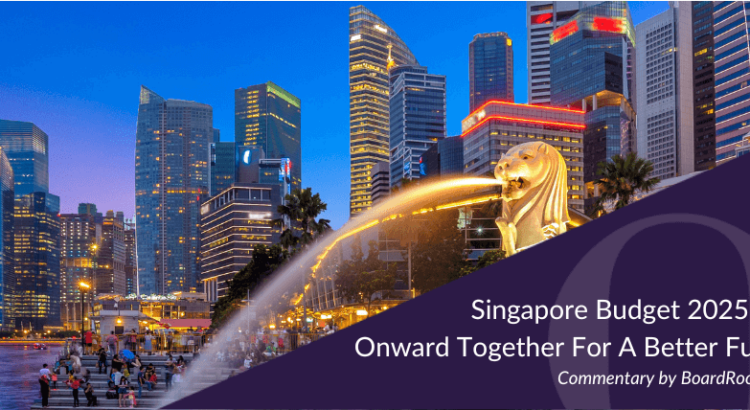
Singapore Budget 2025: Insights and commentary

Singapore Budget 2025 (SG60 Budget) Onward Together For A Better Future Tomorrow

Singapore Budget 2025: Insights and commentary

We are pleased to share our insights on Singapore Budget 2025, unveiled by Prime Minister and Minister for Finance, Lawrence Wong, on 18 February 2025. Under the theme “Onward Together for a Better Future Tomorrow,” this Budget 2025 underscores the Forward Singapore agenda, fostering collaboration among businesses, individuals and the Singapore Government to bolster the nation’s resilience and competitiveness.

The tax measures and reliefs introduced aim to drive sustainable economic growth and shared future, addressing current challenges while laying the groundwork for a stronger, more inclusive future. These include:

Tax Measures for Corporate Taxpayers and Businesses:

  • Primary and Secondary Listings in Singapore: To promote Singapore’s equities market, the Singapore Government has introduced certain tax incentives, including a Corporate Income Tax (CIT) rebate for new corporate listings and enhanced Concessionary Tax Rates (CTR) for fund manager listings.
  • Business Tax Measures: Targeted business tax initiatives include tax deductions for payments under approved cost-sharing agreements for innovative activities, along with extensions of the CIT rebate and cash grants, aiming to stimulate business growth and innovation.
  • Tax Concessions for Specific Taxpayers and Industries: New CTR tiers under the Financial Sector Incentive (FSI) Scheme and the introduction of the Approved Shipping Financing Arrangement (ASFA) Award are designed to attract and retain key industry players.
  • Exemption of Withholding Tax and Remission of Indirect Tax: Extensions of withholding tax exemptions for ship and container lease payments to non-resident lessors, along with GST remissions for Real Estate Investment Trusts (REITs) and Singapore-Listed Registered Business Trusts (RBTs), aim to enhance Singapore’s attractiveness as an investment hub.

Tax Measures and Reliefs for Individual Taxpayers:

  • The Budget introduces enhancements to the Personal Income Tax Rebate as part of the SG60 package.


Download our commentary now to understand the implications of these updates or email our tax team at [email protected] if you need help on how to maximise your tax position with these latest announcements.

Related Business Insights

Master Asia’s Regulatory Landscape: Your Guide to Seamless Expansion

Master Asia’s Regulatory Landscape Your Guide to Seamless Expansion

Master Asia’s Regulatory Landscape: Your Guide to Seamless Expansion

Asia is not just an economic force; it’s reshaping the global economy. Holding 44% of the world’s GDP in purchasing power parity and driving 70% of international growth in 2023, the region offers immense potential for businesses looking to expand internationally. From rapidly growing markets to a burgeoning middle class, Asia is a hub of innovation and economic activity.

However, success in Asia is far from guaranteed. Each country operates under complex regulatory frameworks, diverse standards, and unique cultural practices. Navigating these challenges is critical to optimizing operations and aligning local requirements across multiple jurisdictions.

This guide provides practical strategies for achieving corporate compliance and streamlining operations, ensuring success in Asia’s dynamic and diverse markets.

Why Asia Is a Prime Destination for International Expansion

As the world’s largest continent–and the most economically dynamic–Asia is a key player in international supply chains. Home to thriving trade hubs like Singapore, Hong Kong, and Shanghai, it promises unparalleled opportunities for global expansion.

    Key Drivers of Asia’s Growth include:

    • A Rising Middle Class: Projected to reach 3.5 billion by 2030, fueling demand for technology, manufacturing, finance, and e-commerce.
    • Technological Innovation: Countries like Japan and South Korea are leading in R&D, AI, and robotics.
    • Manufacturing Dominance: China remains the world leader in manufacturing, while Southeast Asia is emerging as a competitive alternative.
    • Digital Economies: India’s booming tech sector and Southeast Asia’s thriving startup ecosystem present fertile opportunities for growth.

    Opportunities Across Sectors:

    • Technology: Asia leads in AI, robotics, and semiconductor development.
    • E-commerce: Mobile-first economies fuel booming online marketplaces.
    • Finance: Financial hubs like Singapore and Hong Kong offer robust investment ecosystems.

    The Challenge of Complexity

    But with opportunity comes complexity. Asia’s diverse regulatory systems, evolving compliance standards, and cultural nuances can be challenging for businesses. To succeed, companies must address these hurdles effectively:

    • Regulatory Compliance: Each market has unique requirements, from local tax laws to corporate governance standards.
    • Labor Laws: Hiring practices and employment regulations vary widely, demanding localized strategies.
    • Cultural Sensitivity: Building trust often hinges on understanding business customs and cultural differences.

    Platforms like the ConnectaVerse connect businesses with vetted local service providers, offering seamless entry into Asia’s markets. By bridging the gap between opportunity and execution, the ConnectaVerse helps companies optimize compliance and operations.

    Asia, a Prime Destination for International Expansion

    Understanding Asia’s Complex Regulatory Landscape

    Asian countries operate under distinct legal systems with varying compliance standards, requiring businesses to adapt their operations to meet local expectations. Understanding these frameworks is essential for long-term success.

    Key Areas of Regulatory Focus

    To fully realize the advantages of expanding internationally, you must address several critical compliance challenges, unique to Asian markets:

    Taxation and Corporate Governance

    • Each Asian market has unique tax codes and governance requirements. For example, Singapore’s corporate tax rate is among the most competitive globally, but businesses must comply with strict annual reporting standards under the Accounting and Corporate Regulatory Authority (ACRA).
    • In contrast, China’s complex tax system includes VAT, income taxes, and regional tax incentives that vary significantly across provinces.

    Data Protection Regulations

    • As digital economies expand, data protection laws are becoming stricter.
    • For instance, China’s Personal Information Protection Law (PIPL) governs how businesses collect, store, and transfer data, while Singapore’s PDPA (Personal Data Protection Act) mandates stringent data privacy measures.
    • Failure to comply can result in significant fines and reputational damage, making robust data governance critical for business expansion overseas.

    ESG Reporting Requirements

    • Environmental, Social, and Governance (ESG) standards are increasingly becoming mandatory across Asia.
    • Hong Kong Stock Exchange requires ESG disclosures from listed companies, while Singapore mandates sustainability reporting under specific frameworks like the Global Reporting Initiative (GRI).
    • Businesses entering these markets must integrate ESG compliance into their operations to meet stakeholder expectations and local requirements.
    Asia’s Complex Regulatory Landscape

    Practical Challenges and Examples

    To benefit from Asia’s significant growth opportunities, businesses must first navigate a complex web of compliance challenges. Here are a few real-world examples illustrating complications in the region:

      Anti-Money Laundering (AML) Compliance in Hong Kong

      In July 2024, the Hong Kong Monetary Authority (HKMA) fined DBS Bank's Hong Kong unit HK$10 million (approximately $1.28 million) for breaching anti-money laundering and counter-terrorist financing regulations. The investigation revealed failures in maintaining effective control measures, continuous business relationship monitoring, and enhanced due diligence for high-risk situations. This case underscores the critical importance of robust AML compliance programs to avoid substantial penalties and reputational damage.

      Climate Risk Management in Singapore and Hong Kong

      As Singapore and Hong Kong regulators implement increasingly detailed requirements for climate-related risk management, banks in the region face challenges in engaging clients on data collection, risk assessment, and transition planning. The emphasis on environmental risk assessment highlights the need for financial institutions to enhance their compliance frameworks to address emerging regulatory expectations.

      Regulatory Scrutiny in Hong Kong's Asset Management Sector

      A Hong Kong Securities and Futures Commission (SFC) licensed asset manager faced regulatory scrutiny following a complicated complaint about mis-selling by an investment representative. The firm had to strengthen its compliance and governance frameworks to address the SFC's concerns, illustrating the necessity for robust internal controls and adherence to regulatory standards in Hong Kong's financial sector.

      The Top Compliance Challenges Businesses Face When Expanding Internationally

      Navigating Asia’s regulatory landscape can be one of the biggest hurdles for businesses new to the region. From complex tax codes to sector-specific compliance, companies must understand and adapt to avoid setbacks in their international growth strategies.

      Navigating Complex Tax Codes

      • Malaysia: The country’s VAT system, known as the Sales and Service Tax (SST), involves varying rates and processes that businesses must manage accurately to avoid penalties or delays.
      • Singapore: While Singapore’s competitive corporate tax rates are attractive, recent changes have added layers of complexity. For instance, the ban on Employer of Record (EOR) services means foreign companies can no longer sponsor work permits without establishing a legal entity. This shift has significant implications for workforce planning and corporate structuring.

      Labour Law Compliance

      • Hong Kong: Employment law in Hong Kong requires companies to meet clear standards around hiring, wage structures, and termination procedures. Missteps can result in disputes, fines, or reputational risks.
      • India: Employers must navigate India’s labor laws, including mandatory contributions to provident funds, gratuity payments, and wage code compliance. Understanding these obligations is key to managing talent effectively.

      Sector-Specific Regulations

      • China: With the introduction of the Personal Information Protection Law (PIPL), businesses face strict requirements regarding how personal data is collected, stored, and transferred. Non-compliance can result in severe financial penalties.
      • Singapore: The financial services sector in Singapore is heavily regulated by the Monetary Authority of Singapore (MAS), which enforces licensing, compliance reporting, and operational standards for companies in this space.

      Successfully overcoming these challenges requires a clear understanding of each market’s compliance landscape. With the right preparation and expert local guidance, businesses can ensure their international expansion remains efficient and compliant across Asia.

      Top Compliance Challenges Businesses Face When Expanding Internationally

      Strategies to Optimize Compliance and Streamline Operations

      Success in Asia requires navigating local regulations without compromising operational efficiency. These strategies will keep your business compliant and streamlined:

      Choose the Right Business Structure

      Your choice of business structure plays a crucial role in determining taxation, liability, and operational flexibility. Businesses expanding internationally must weigh the pros and cons of each option based on their goals:

      • Private Limited Companies (PLCs): Popular in markets like Singapore and Hong Kong due to limited liability, streamlined registration processes, and clear governance structures.
      • Joint Ventures (JVs): Common in countries like China, where partnering with local entities helps businesses navigate regulatory hurdles and gain market access, though it often involves shared control.
      • Wholly Foreign-Owned Enterprises (WFOEs): A preferred structure for businesses seeking full ownership and operational control in China. However, WFOEs come with higher capital requirements and stricter reporting obligations.

      Choosing the correct structure ensures businesses can optimize their operations while maintaining legal compliance across their target markets.

      Implement Strong Compliance Processes

      Building a robust compliance framework is critical to long-term success in Asia’s evolving regulatory landscape:

      • Regular Audits: Conduct frequent internal and external audits to ensure accuracy in financial reporting and adherence to local regulations.
      • Local Reporting Standards: Align with country-specific reporting requirements, such as Singapore’s ACRA reporting or Malaysia’s tax filings under SST.
      • ESG Alignment: With rising ESG expectations, businesses must integrate sustainability reporting into their operations. For instance, companies listed on the Hong Kong Stock Exchange are required to disclose ESG initiatives annually.

      By adopting proactive compliance measures, businesses can mitigate risks, enhance transparency, and build trust with local regulators and stakeholders.

      Secure Licenses and Permits

      Sector-specific licenses and permits are often prerequisites for operating in Asian markets:

      • Financial Services in Singapore: Companies in finance must secure licenses from the Monetary Authority of Singapore (MAS) and comply with stringent reporting requirements.
      • Healthcare in Malaysia: Businesses must navigate both federal and state-level approvals, which often require additional certifications depending on the service.

      Timely acquisition of the necessary permits ensures smooth entry into these highly regulated sectors while avoiding delays or penalties.

      Engage Local Expertise

      Successfully navigating Asia’s complex regulatory environment often requires collaboration with trusted local professionals:

      • Legal and Compliance Advisors: Local advisors help businesses interpret nuanced regulations, file reports accurately, and respond to legal changes.
      • Service Providers: From tax consultants to payroll specialists, engaging vetted local experts ensures businesses remain compliant while reducing administrative burdens.
      • Regional Partners: In markets like China, local partners offer invaluable insights into navigating cultural and operational challenges.

      How Compliance Supports Long-Term Operational Success

      In Asia’s dynamic business environment, compliance is a strategic advantage. Businesses that prioritize compliance reduce risks, optimize operations, and gain a competitive edge.

      Risk Mitigation

      Non-compliance can be costly. From hefty fines to reputational damage, the risks are high in Asia’s strict regulatory landscape.

      • In Singapore, failing to comply with data protection laws like the PDPA can lead to fines of up to SGD 1 million.
      • In Hong Kong, breaches of anti-money laundering (AML) regulations can tarnish a company’s standing with stakeholders.

      Compliance ensures you stay aligned with local laws, safeguarding your operations and reputation. It’s about avoiding penalties and creating a secure foundation for sustainable growth.

      Operational Efficiency

      Streamlined compliance processes can transform your operations.

      • Regular reporting: Meeting local standards like Singapore’s ACRA filings or Malaysia’s tax submissions ensures smooth audits and financial transparency.
      • Centralized data management: With robust systems in place, reporting becomes quicker and more accurate, saving time and resources.

      Efficient compliance reduces administrative burdens, allowing you to focus on strategic priorities. It’s about doing more with less while staying ahead of regulatory demands.

      Competitive Edge

      Credibility matters in competitive markets. Compliance builds trust with stakeholders, from investors to local authorities.

      • Stakeholder confidence: Companies that demonstrate strong governance attract investment and foster local partnerships.
      • Market positioning: Aligning with ESG expectations, such as those mandated in Hong Kong, positions your business as a forward-thinking leader in sustainability.

      Partnering for Success: Simplify Your Global Expansion Journey

      Expanding into Asia offers immense opportunities, but navigating the region’s diverse regulatory frameworks demands expertise and precision. Compliance is the cornerstone of operational success, enabling businesses to mitigate risks, streamline processes, and gain a competitive edge.

      By addressing critical areas like taxation, ESG alignment, and labor law compliance, businesses can unlock Asia’s growth potential with confidence. The global expansion strategies in this guide provide the foundation for efficient and compliant operations across Asia’s dynamic markets.

      The right partnerships make all the difference. With extensive regional knowledge, BoardRoom helps businesses streamline compliance and optimize operations across multiple jurisdictions. Meanwhile, platforms like the ConnectaVerse connect you with trusted local providers, offering seamless solutions for your broader international expansion goals.

      Ready to simplify your expansion journey? Download our exclusive report for actionable strategies to navigate Asia’s regulatory landscape.

      Your success in Asia starts here; let’s unlock its potential together!

      Related Business Insights

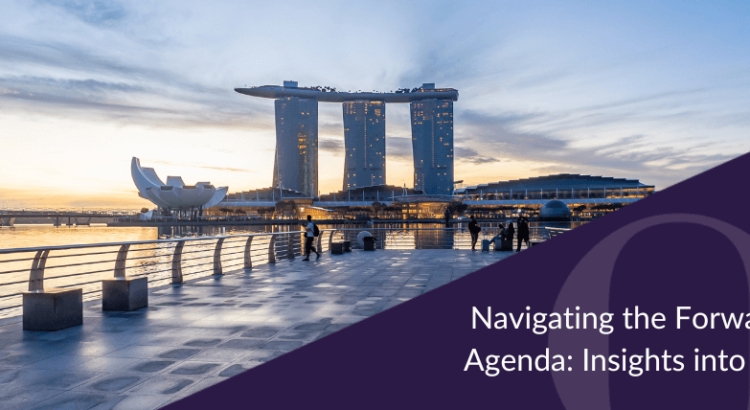
      Navigating the Forward Singapore Agenda: Insights into Budget 2024

      Navigating the Forward Singapore Agenda Insights into Budget 2024 Banner

      Navigating the Forward Singapore Agenda: Insights into Budget 2024

      In our commitment to keeping you abreast of pivotal developments, we are pleased to present our commentary of Singapore’s Budget 2024, unveiled by Deputy Prime Minister and Finance Minister Lawrence Wong on 16 February 2024, themed “Building Our Shared Future Together”.

      Reflecting on the fiscal year 2023, Singapore exceeded revenue expectations, primarily driven by higher Corporate Income Tax collections.

      Against this positive backdrop, Budget 2024 is strategically positioned to propel the Forward Singapore agenda. Our detailed Singapore Budget 2024 Commentary delves into the key tax measures affecting both businesses and individuals.

      Key tax measures for businesses

      • Singapore’s Implementation of Pillar Two of Base Erosion and Profit Shifting (BEPS) 2.0 initiative
      • Introduction of the Refundable Investment Credit (RIC) Scheme
      • Introduction of Corporate Income Tax (CIT) Rebate and CIT Rebate Cash Grant
      • Enhancement of Tax Deduction for Renovation or Refurbishment (R&R) Expenditure
      • Extension and Revision of Tax Incentive Schemes for Qualifying Funds
      • Introduction of Alternative Basis of Tax for Three Maritime Sector Incentive (MSI) Sub-schemes
      • Introduction of Additional Concessionary Tax Rate (CTR) Tiers

      Key tax measures for individuals

      • Introduction of Personal Income Tax Rebate
      • Increasing Annual Income Threshold for Dependent-Related Relief
      • Impending Lapse of Course Fees Relief (CFR)
      • Removal of Tax Relief for CPF top up qualifying for Matched Retirement Saving Scheme (MRSS)

      Other key tax measures

      • Introduction of Overseas Emergency Humanitarian Assistance Tax Deduction Scheme (OHAS)
      • Withdrawal of Income Tax Concession on Royalty Income

      As we collectively navigate the Forward Singapore agenda, understanding these fiscal changes becomes paramount. Download our commentary now to stay informed and ahead.

      Should you have any questions on how to maximise your tax position with this latest announcement, please email our tax team at [email protected].

      Related Business Insights

      SG-MY-Lumi Meeting Services : Optimising Hybrid AGMs

      Hybrid Meetings – Tackling the Venue Challenge Banner

      SG-MY-Lumi Meeting Services : Optimising Hybrid AGMs

      In our recent webinar, ‘2023 AGMs and EGMS – What Have We Learned’, more than 50% of respondents identified cost as a major concern when considering hybrid meetings. Many believe that hosting hybrid meetings costs twice as much due to the need for physical venues and remote setup. While rising costs and logistical expenses pose challenges, they also create opportunities for creative solutions.

      One strategy is downsizing venues, prioritising quality over quantity. The key is to strike a balance between limited physical attendance and remote participation.

      Here are our tips on how you can maximise cost efficiency and engagement in your hybrid meetings.

      Connect with our Meeting Services team today to discuss on how you can promote a dynamic and inclusive meeting environment that serves all stakeholders.

      Contact BoardRoom for more information:

      Charlyne Pak

      Share Registry Services Manager, BoardRoom Singapore

      E: [email protected]

      T: +65 6536 5355

      Related Business Insights

      The changing face of meetings and AGMs, from virtual to in-person. What to expect?

      The changing face of meetings, from virtual to in-person. What to expect Banner

      The changing face of meetings and AGMs, from virtual to in-person. What to expect?

      With recent changes in regulatory requirements and shareholder activism, we have observed significant differences in how companies conduct their meetings to ensure regulatory compliance and meet shareholders’ expectations. Adoption of technology such as AGM webcasts and ESG factors have also influenced the way companies conduct their meetings.

      We have compiled valuable insights reflecting the dynamic shifts that have taken place in the world of Annual General Meetings (AGMs) for the April-May meeting season in Singapore. Whether you’re an investor or a company executive, our infographic is your gateway to understanding the dynamics of virtual, physical and hybrid AGMs in Singapore.

      Download our AGM Trends Infographic today so you will be equipped to make informed decisions for your next AGM.

      Related Business Insights

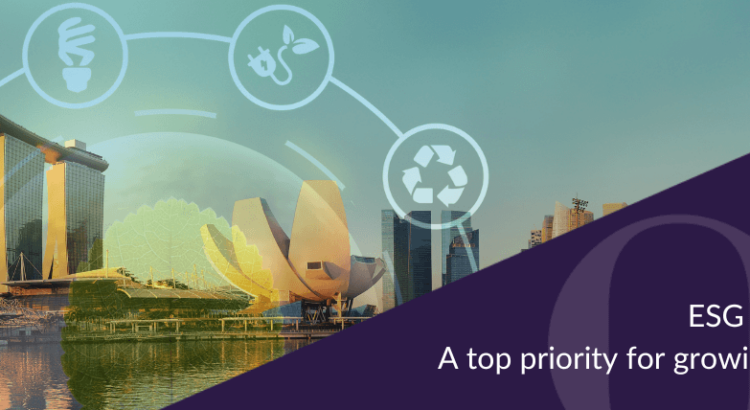
      ESG in Singapore: A top priority for growing businesses

      ESG in Singapore: A top priority for growing businesses

      With environmental, social and governance (ESG) issues now top of mind for investors, consumers and communities around the world, businesses are quickly embracing sustainable practices to secure their long-term success.

      Many governments are committing to net zero targets in an effort to address climate risk, meaning businesses must now take action to minimise their carbon footprint and help deliver these targets. In Singapore, ESG expectations among stakeholders are prompting businesses to start tracking their emissions to meet demands for transparency and traceability in supply chain management.

      Further, climate reporting is now mandatory for public Singapore companies, and the Singapore stock exchange (SGX) has released a list of 27 recommended core ESG metrics for companies to report against. Many forward-thinking private companies are choosing to use these metrics too.

      In this article, we speak to Tina Thomas, Head of ESG for BoardRoom, about the key ESG issues impacting decision-making in business today and the top strategies Singaporean companies can use to safeguard their future.

      What is ESG risk?

      ESG practices should now be ingrained into companies’ operations and risk management plans. According to Tina, listed companies that ignore ESG matters may encounter major regulatory compliance problems (potentially resulting in legal action or loss of their licence to operate) and experience a loss of customers. For private companies, ESG disclosure is not yet mandatory, but it must be part of their long-term strategy. “Customers now have the choice of whether to buy from a sustainable company, so there’s a market risk if companies ignore ESG matters,” she says. Specific ESG risks vary between businesses depending on the nature of their operations.

      ESG Risk

      Some risks now critical for many businesses include:

      1. Environmental risk

      Climate
      Businesses with carbon-intensive operations and products should implement strategies to reduce emissions and save energy.
      Waste management
      Companies must assess how they manage their waste, whether hazardous or non-hazardous, liquid or solid.
      Water management
      With water stress on the rise, businesses should consider the water source used in their operations (especially manufacturing businesses) and switch to sustainable procurement methods where possible.

      2. Social risk

      Issues that can drive business risk include worker rights, gender and racial equality, child labour and environmental effects on people’s health. Companies should also support employee wellbeing and provide valuable training opportunities. This helps attract and retain talent and offers a range of flow-on benefits (e.g., better productivity and efficiency) for improved business outcomes.

      3. Governance risk

      Good governance is essential for ESG success as it not only guarantees that businesses operate safely and fairly within their respective sectors, but also ensures responsible practices in areas such as borrowing, internal risk management, anti-money laundering (AML), and compliance with relevant acts and regulations. A lack of good governance will not go unnoticed by stakeholders.

      What ESG opportunities can I explore?

      In addition to mitigating ESG risk, Singaporean businesses can also build their resilience by being first movers in the ESG space and making use of new opportunities the market poses for companies.

      “If a company does not understand the ESG landscape, they might miss all the opportunities available,” Tina says. “For example, some companies are introducing plant-based products to capture new clients. Or there may be opportunities for expansion, new technology or market streams.”

      From a social perspective, a strong corporate governance framework is crucial for businesses as it empowers them to establish and enforce ethical standards, ensuring fair work conditions and promoting transparency across their supply chains to responsibly monitor and protect the rights of workers. This strategy benefits not only your business but society at large.

      ESG opportunities

      What are the benefits of sustainable practices?

      Sustainable practices can benefit Singaporean companies in various ways, depending on the nature of the business and its industry.

      Some prominent practices include:

      Adopting a low-carbon business mode
      This protects the longevity of carbon-intensive businesses for whom renewable energy poses an existential threat.
      Implementing efficiency enhancements
      Manufacturing businesses that enhance the efficiency of their machines, operations or workspaces can enjoy cost savings.
      Improving working conditions
      Good working conditions improve employee morale and productivity.

      Initiatives like these have additional benefits, including improved brand reputation, more robust regulatory compliance and reduced policy costs (e.g. carbon tax).

      How a diverse workforce promotes social responsibility

      In today’s rapidly changing world, the benefits of sustainable practices and diversity and inclusion are more interconnected than ever before. Embracing a diverse workforce and fostering an inclusive environment presents a valuable opportunity for businesses to perform better and be more innovative.

      “Without diversity, people think alike and have the same or similar views, so there’s little to no creativity,” Tina explains.

      Diversity and Inclusion (D&I) is a positive social factor for employees, while it can be a governance strength for board members.

      “The SGX emphasises that the boards have to be diverse – this is mainly to champion the idea that having the right mix of individuals with the right education, background and experience level is important for ensuring a business is well run,” Tina says.

      Furthermore, embracing D&I helps to create an open workplace culture that is accepting of differences and more adaptable to change in an uncertain world.

      How does ESG impact business decisions?

      ESG is now shaping business decisions to a significant degree. Whether a company is buying or investing in a business or improving parts of its own group, ESG considerations are now a standard part of commercial and financial due diligence processes.

      Primary ESG considerations commonly include:

      • climate change and its potential impacts on the business (e.g. the threat of natural disasters and drought);
      • resource depletion and the limits it may place on resource consumption within a business’ operations;
      • possibilities for emissions reduction and the conservation of resources (like water);
      • the potential to adopt a circular business model that enables reuse and recycling to maximise resource efficiency and minimise waste; and
      • the importance of good corporate governance, a hallmark of well-run companies that builds trust among consumers and investors while reducing compliance risk.

      To ensure business decisions consider key ESG factors, leaders should develop a comprehensive ESG strategy and engage with stakeholders to promote open dialogue. “They also need to invest in sustainable business practices and monitor and report on their progress,” Tina says.

      ESG Impact

      How do I promote strong corporate governance?

      An effective way to drive good governance in your organisation is by ensuring senior management and board members take ownership of ESG performance.

      “These leaders play a key role in setting the tone from the top in terms of following governance standards and responding to ESG risks and opportunities,” Tina says.

      It is also essential for leaders to fully understand ESG, as this will empower them to make strategic decisions around resource management and risk mitigation and successfully lead their business through ESG transformation.

      What support is available for ESG in Singapore?

      When it comes to proactively responding to ESG risks and opportunities, the assistance of an experienced ESG services provider can be invaluable.

      BoardRoom’s ESG Singapore team helps businesses throughout the Asia-Pacific region translate their ESG efforts into valuable competitive advantages, including:

      • a steadier investor base;
      • reduced cost of capital;
      • increased access to financing;
      • higher staff engagement; and
      • stronger customer loyalty.

      As a globally minded firm with offices throughout Asia Pacific, we leverage the diversity of our teams to deliver high-quality, carefully tailored ESG solutions.

      ESG Support Singapore

      BoardRoom’s holistic ESG services

      The assistance BoardRoom provides as part of our end-to-end ESG service includes (but is not limited to):

      • undertaking a materiality assessment to identify which ESG issues your company should respond to and report on;
      • conducting a gap analysis to evaluate compliance with stakeholder expectations;
      • gathering valuable ESG data with our innovative, easy-to-use ESG Access platform; and
      • setting data-driven key performance indicators and targets for ESG performance.

      We provide full ESG life-cycle management for all types of businesses, from growing SMEs new to ESG to large multinational corporations wanting to take their sustainability practices to the next level.

      Wherever you are on your ESG journey, we are ready to assist.

      Elevated ESG reporting

      Our ESG professionals can also help you enhance your ESG performance in the eyes of key stakeholder groups through robust, efficient sustainability reporting.

      Public and private companies alike should adhere to globally recognised frameworks to ensure their sustainability reports meet stakeholder expectations.

      Publicly listed companies must now disclose their ESG management in line with the Task Force on Climate-Related Financial Disclosures (TCFD) recommendations. Many businesses also follow the Global Reporting Initiative Standards in their reporting.

      With our guidance, you can confidently use the best ESG frameworks and methodology for your business.

      Realise your ESG goals

      Contemporary businesses must ensure they are effectively responding to ESG risks and opportunities if they are to thrive within Singapore, Asia and beyond. BoardRoom’s ESG experts can help implement a customised ESG strategy for your organisation, promoting ongoing sustainability and profitability.

      We offer a full suite of complementary corporate services in addition to ESG support, including company secretarial, company incorporation, project management, accounting and bookkeeping, payroll, share registry, employee stock option plans, XBRL conversion and filing, tax advisory and filing and international accounting and tax. This means you can easily combine services to ensure your business is fully supported to achieve its expansion goals.

      Contact us to find out more about elevating ESG in Singapore.

      Contact BoardRoom for more information:

      Tina

      Tina Thomas

      Head of Environmental, Social and Governance

      E: [email protected]

      T: +65 6536 5355

      Related Business Insights

      The advantages of meaningful ESG practices and sustainability reporting for businesses in Singapore

      Gain a competitive advantage through meaningful sustainability reporting Banner

      The advantages of meaningful ESG practices and sustainability reporting for businesses in Singapore

      Singapore recently raised its national climate target to achieve net zero emissions by 2050 – earlier than previously committed. In the announcement, the National Climate Change Secretariat urged the region’s public and private sectors to play their part in shaping a low-carbon future.

      The change comes as expectations for genuine environmental, social, and governance (ESG) action and corporate social responsibility continue to grow throughout the Asia-Pacific region and worldwide.

      In this article, we speak to Tina Thomas, Head of ESG for BoardRoom, about how businesses in Singapore can enhance their ESG performance in the eyes of stakeholders through high-quality sustainability reporting and by using ESG reporting frameworks.

      The importance of sustainability reporting in Singapore

      High expectations for responsible corporate practice in Singapore mean businesses are under pressure to demonstrate their commitment to ESG action. Companies can achieve this by publicly disclosing information about the sustainability outcomes achieved.

      Quality sustainability reporting helps private and public businesses to:

      Attract investment

      According to Enterprise Singapore, ESG must be prioritised to attain investments, as investors are now looking to ‘green’ their portfolios.

      “Investors want to know more about the risk profile of the companies they invest in,” explains Tina.

      ESG reporting allows you to demonstrate the strategies your business is using to respond to the challenges and opportunities affecting its sustainability – and the scope is broader than sustainability alone. Investors want to see how businesses operate with integrity and good social responsibility in accordance with reporting frameworks. For example, local community giving initiatives and ethical decision-making all play a role in shaping a low-carbon future. As a result, investors can have greater confidence in your potential for long-term value creation.

      Achieve robust regulatory compliance

      In an effort to support a sustainable economy and bring companies in line with global baseline reporting standards, Singapore’s regulatory system is escalating its requirements for ESG reporting. Businesses are under mounting pressure to disclose specific data that relates to the climate risks and opportunities most material (relevant) to them.

      “Regulators want companies to start pricing in the cost of externalities, including environmental pollution and biodiversity impacts,” says Tina.

      The law already requires some public-listed companies to produce sustainability reports. However, all Singaporean companies – public or private – can use sustainability reporting as a tool to elevate their reputation and protect their operational longevity.

      Improve brand value

      In a 2022 PWC survey, 32% of Singaporean consumers said they often or always consider governance factors when making purchasing decisions. 31% say the same about social factors. Forward-thinking businesses are tapping into this desire for responsible corporate practice by increasing the visibility of their ESG initiatives.

      “ESG has become a differentiator for businesses by adding to their brand value,” Tina says.

      Businesses should also recognise the potential for ESG reporting to build trust with employees, investors and business partners.

      “It can help you attract the right talent and customers, and tap into new market growth opportunities arising with the evolving ESG trend,” Tina adds.

      ESG Brand Value

      How do I showcase my ESG efforts?

      Any company can publish a statement about its commitment to ESG action. However, without hard data to back up its claims, it is unlikely to earn stakeholder trust.

      Key methods to broadcast the outcomes of your sustainability efforts include:

      Meeting or exceeding any regulatory reporting requirements or ESG frameworks that apply to your business (e.g. publishing your sustainability report in your annual report)
      Adding a sustainability statement to your website, ensuring it describes all the processes and initiatives you have in place
      Publishing case studies about ESG initiatives or projects you have actioned, with details provided about the targets you achieved against specific sustainability metrics

      Keep in mind that stakeholders, who are on alert for greenwashing, will heavily scrutinise your public ESG disclosures. To illustrate your integrity, demonstrate how your ESG efforts align with your company’s core values using evidence.

      What are the mandatory disclosures for ESG in Singapore?

      By 2025, public-listed companies in some major industries will be required by law to disclose their ESG management in line with recommendations by the Task Force on Climate-Related Financial Disclosures (TCFD). Listed companies outside the nominated industries will also be required to comply unless they can reasonably explain why they have taken an alternative course of action.

      To provide a starting point for this transition, the Singapore Exchange (SGX) has proposed a list of core ESG metrics companies can use for their reporting.

      “The core metrics are quantitative and applicable to most listed companies across various industries,” says Tina.

      Examples of these metrics include:

      E
      Emissions, water management and waste generation
      S
      Gender diversity, employment, development and training, and workplace safety and health
      G
      Composition management, diversity, ethical behaviour, certifications and assurance

      While the core metrics offer commonality and consistency in what companies report, be aware that it is your responsibility to disclose the information most relevant to your business.

      Whilst ESG disclosures are not yet required for private companies in Singapore, ESG reporting must be a business priority if your company wants to remain competitive and be successful. ESG frameworks come in various forms, so it’s important to know what is relevant to your business.

      Which ESG reporting framework should I use?

      Whether you are a publicly listed or private company, to ensure your sustainability report carries weight in an increasingly global marketplace, we recommend adhering to globally recognised frameworks such as:

      As a publicly listed company, you must follow SGX guidelines first and foremost; however, some industries require more robust additional reporting. For privately listed companies that don’t need to follow the standards set by SGX, you may choose based on your industry, what your competitors are using, or emerging regulations.

      Do I need to conduct a materiality assessment?

      Impactful ESG action starts with understanding what matters to your business and your stakeholders, and where you can make the most difference. The need for familiarity with these factors makes conducting a materiality assessment critical.

      “A materiality assessment allows businesses to identify the key ESG metrics and factors relevant to them and present a risk or opportunity for the businesses,” explains Tina.

      “From there, they can decide what the next steps should be in terms of how they want to respond.”

      Materiality Assessment

      What are the common challenges of ESG reporting, standards, and frameworks?

      The main sustainability reporting challenges for businesses in Singapore include:

      1. Choosing disclosure topics

      According to Tina, companies often need clarification on which ESG data to include in their reports.

      “ESG reporting encompasses a big list of factors,” she says. “Depending on which framework you look at, there could be as many as a hundred topics you can disclose against.”

      The best framework for you will come down to various factors, such as your listing status, stakeholder expectations, size, industry, and geographical presence. After selecting your framework, conducting a materiality assessment will help identify which disclosure topics are most important for your business. Many Singaporean and multinational businesses engage with expert ESG reporting services for guidance on this matter.

      2. Collecting solid, timely data

      Manual tracking of sustainability efforts can be time-consuming and expensive, and the resulting data often lacks accuracy, consistency and depth.

      “ESG data – especially on environmental risks and impacts – can be very difficult to collect because it may fall outside the company’s immediate control,” Tina says. “It may also sit with different people, which makes collecting and combining the data in one place a slow, arduous task.”

      For many businesses, the solution lies in modernising the data collection process.

      “Technology can automate some of the processes around data management and also help streamline the process,” Tina adds.

      3. Setting relevant targets

      Even if you have collected good data on your ESG efforts, you may be unsure how to measure sustainability performance in a meaningful way.

      An ESG services provider will have a thorough understanding of ESG performance benchmarking in your industry and across the SGX, which means they can help you take steps to increase the effectiveness of your initiatives.

      They can recommend achievable yet compelling ESG targets to pursue according to relevant reporting frameworks and standards such as GRI, SASB, and so on.

      Relevant Targets

      Can I elevate my brand image through sustainability reporting?

      The best way to ensure that your sustainability reporting bolsters your reputation is by demonstrating how your ESG efforts create real change for local communities, whether your business is based in Singapore or elsewhere in the world.

      “Focus on communicating the positive impact you are having within your sphere of control,” Tina says. “This will eventually help to improve your reputation, brand image and consumer engagement.”

      For powerful reporting, you can also:

        Link ESG achievements back to your core brand values and the ESG issues your business is most passionate about
        Use macro indicators like the UN Sustainable Development Goals to measure the change you are stimulating on a micro level

        Enhance your sustainability reporting with BoardRoom Singapore

        BoardRoom’s ESG Access platform builds greater value into your sustainability reporting by automating your data collection, report production, and stakeholder engagement processes. Its evidence-based approach means you and your stakeholders can expect higher returns on investment in sustainability initiatives.

        With BoardRoom’s holistic approach to ESG, our services extend beyond reporting to advisory and assurance. From conducting a materiality assessment to identify which ESG issues and frameworks relate to your organisation to ensuring supply chain compliance with socially responsible business practices, we help transform your organisation into a more socially accepted, environmentally sustainable business with better risk management.

        Please contact our team in Singapore to find out more about our sustainability reporting services.

        Contact BoardRoom for more information:

        Tina

        Tina Thomas

        Head of Environmental, Social and Governance

        E: [email protected]

        T: +65 6536 5355

        Related Business Insights

        Singapore 2023 Budget

        Singapore 2023 Budget Banner

        Singapore 2023 Budget

        As Singapore moved into a post-pandemic era, the Singapore 2023 Budget focused on building capabilities and seizing opportunities in a new era of global development. The budget centred on 3 key thrusts – growing the economy, strengthening social compact and building collective resilience. We’ve summarised the key changes that you’ll need to be aware of, in order to maximise the benefits for your company.

        To discover insights and updates on the tax incentives announced that will implicate your tax planning, download our Singapore 2023 Budget Report.

        If you have any questions relating to the information contained in this report, please contact our tax advisors via email or call us at +65 6536 5355.

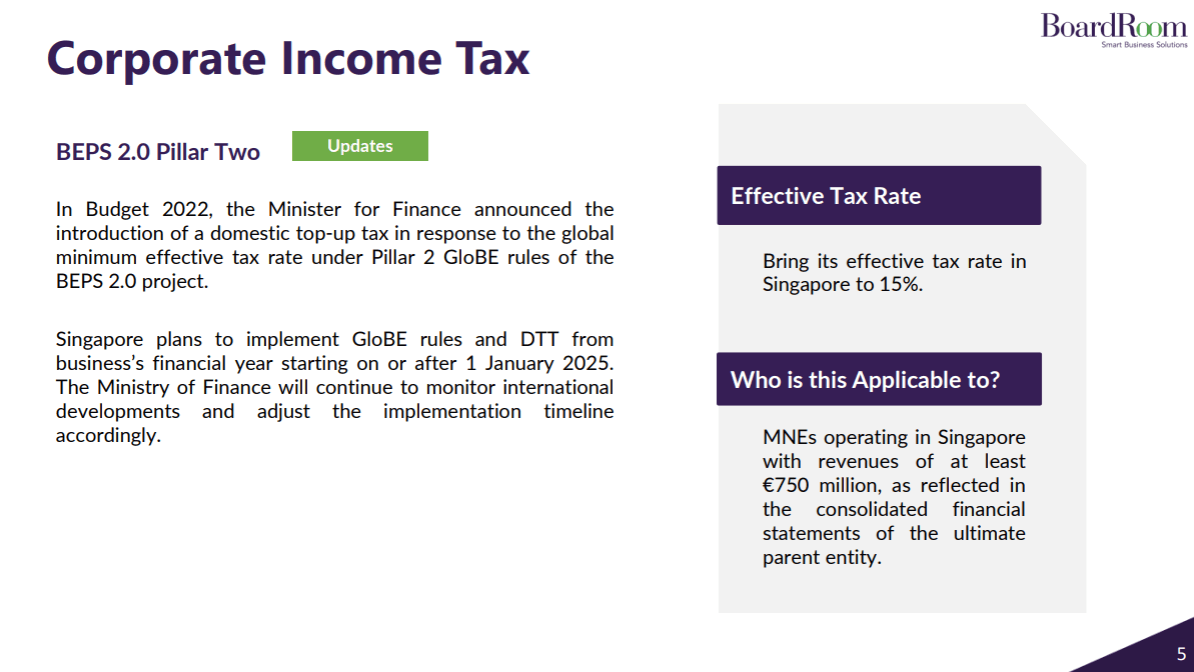
        Corporate Income Tax

        Corporate Income Tax

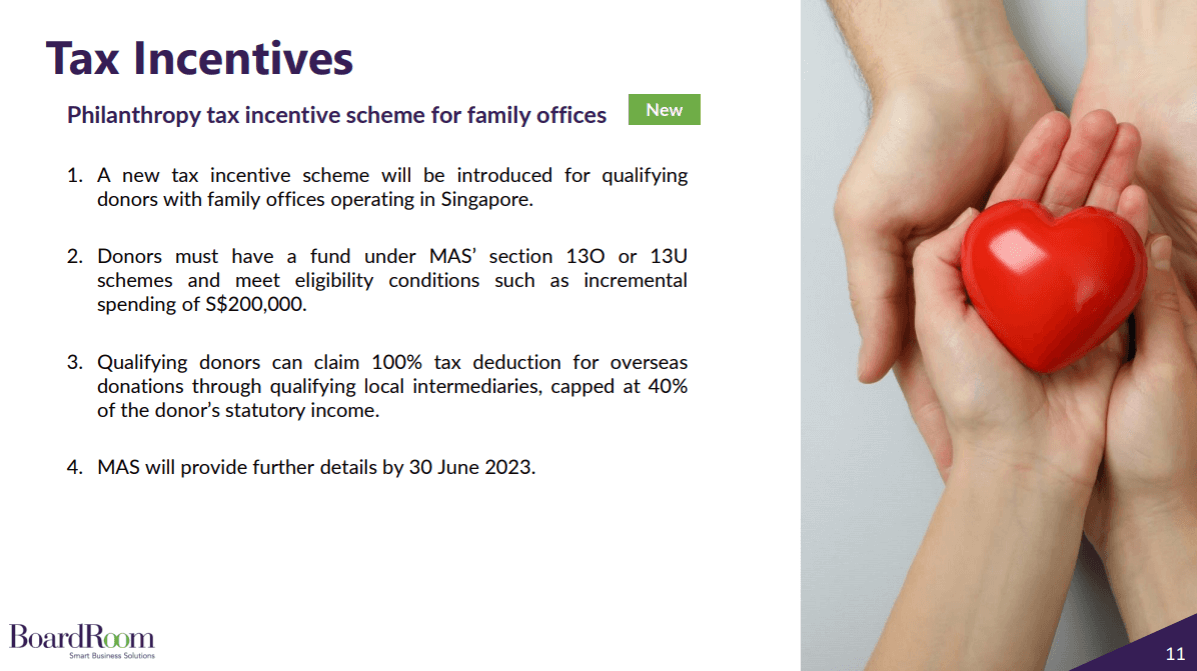
        Philanthropy tax incentive scheme for family offices

        Tax Incentives

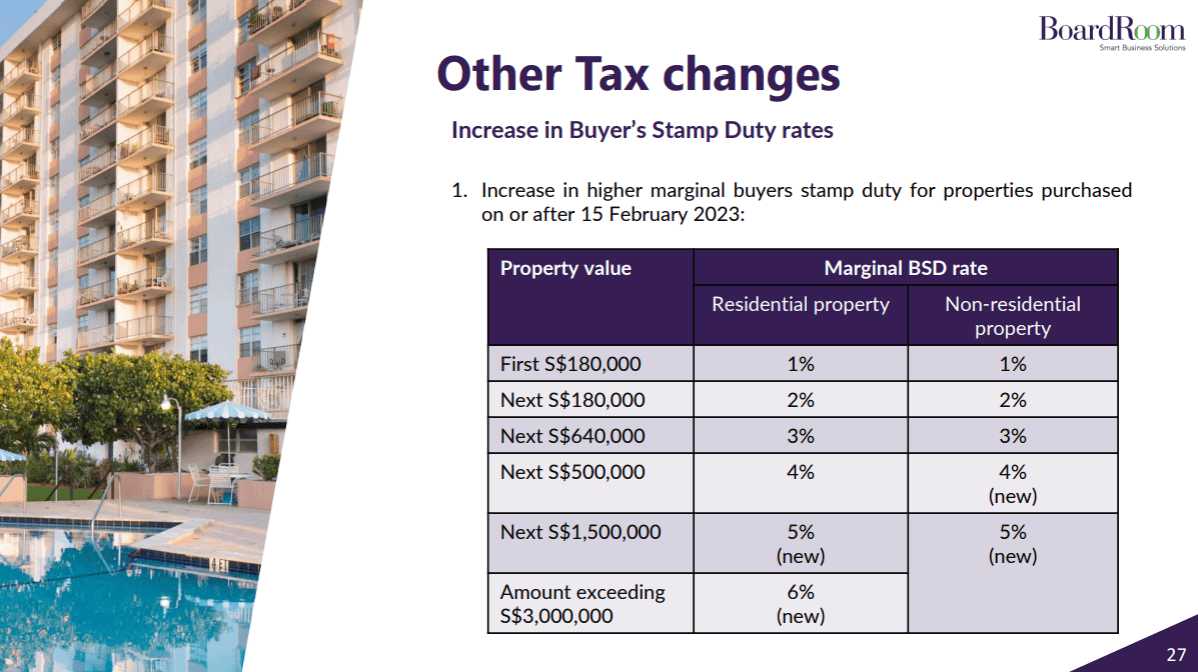
        Increase in Buyer’s Stamp Duty rates

        Increase in Buyer’s Stamp Duty rates

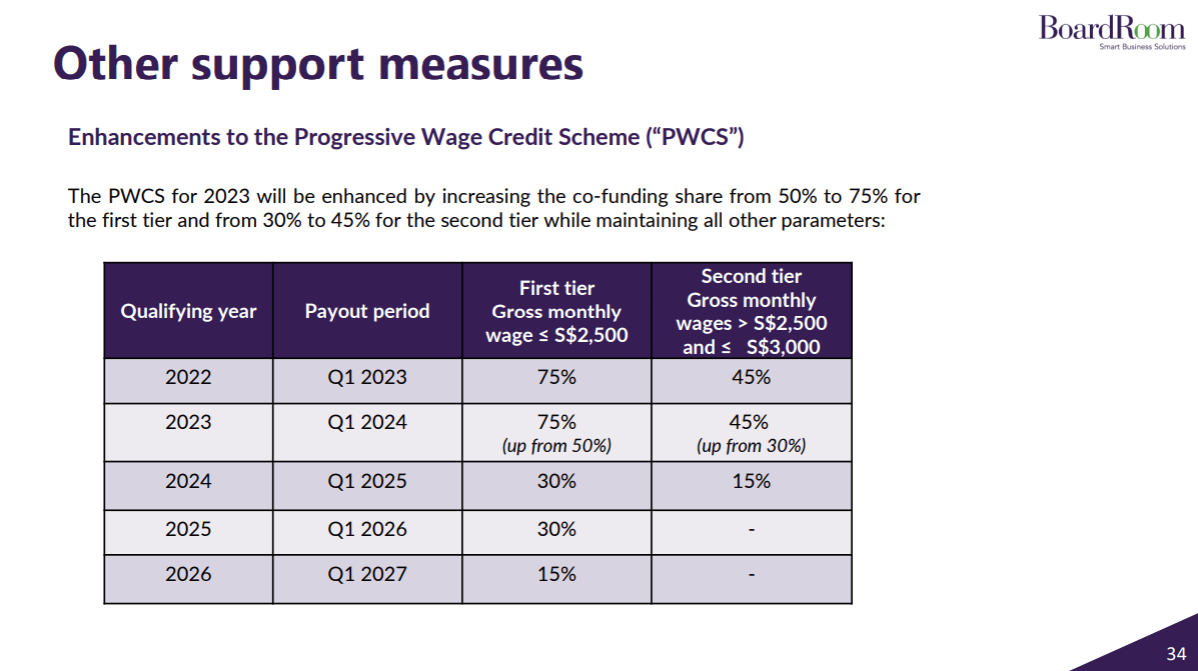
        Enhancements to the Progressive Wage Credit Scheme (“PWCS”)

        Enhancements to the Progressive Wage Credit Scheme (“PWCS”)

        Related Business Insights