In this guide, we explore the important factors businesses should consider when selecting the right accounting firm to manage their financials effectively.
Importance of Choosing the Right Accounting Firm
Choosing the right accounting firm is important for businesses. Accounting firms manage the financials of the company, ensure regulatory compliance, and provide strategic guidance. By partnering with the right firm, businesses improve operations, make informed decisions, and achieve their long-term objectives. The right accounting firm serves as a trusted advisor, offering invaluable insights and support for sustained success and growth.
Services Offered
When choosing an accounting firm, assessing the range of services offered is essential.

Industry Knowledge and Expertise
When selecting an accounting firm, industry-specific knowledge and expertise are key factors to consider.
Reputation and Experience
When selecting the right accounting firm, businesses must prioritise the service provider’s reputation and experience.

Team and Staffing
The way the team works together and how they interact with clients play an important role in the effectiveness of an accounting firm.
Cost and Value
Understanding the financial aspects of engaging with an accounting firm is essential for businesses to make informed decisions.
Client References and Reviews
When considering an accounting firm, it’s important for businesses to gather insights from other clients and assess the firm’s reputation.
Accessibility and Communication
Evaluating how well the communication style and accessibility is crucial for seamless collaboration when choosing an accounting firm.

Technology and Tools
In today’s digital age, the use of technology is crucial for efficient accounting processes.
Security and Confidentiality
Maintaining strong security measures and upholding client confidentiality is important for any accounting firm.
How Can BoardRoom Help?
With over 50 years of track record and more than 7,300 clients globally, BoardRoom offers a full suite of outsourcing solutions tailored to meet your accounting needs. Our experienced professionals and certified chartered accountant ensure accuracy, efficiency, and compliance with local laws and regulations. Their expertise includes bookkeeping, financial reporting, tax planning and advisory, and compliance reporting for companies in Singapore.
Don’t take our word for it – read what our clients say about our services. For more information on how BoardRoom can assist you with your accountancy needs, contact us for a quote now.
Related Business Insights
-

25 Feb 2026
Regularising the Past: The 2026 Stamp Duty Voluntary Disclosure Program
The Stamp Act 1949 (“Act”) has long served as a foundational element of Malaysia’s tax landscape, and, like a …
READ MORE -
05 Feb 2026
Stress-Free Annual Tax Filing in Singapore: Practical Tips for Businesses & Individuals
Discover how BoardRoom's accounting services can help you navigate the shortage of accountants in Singapore with st …
READ MORE -
05 Feb 2026
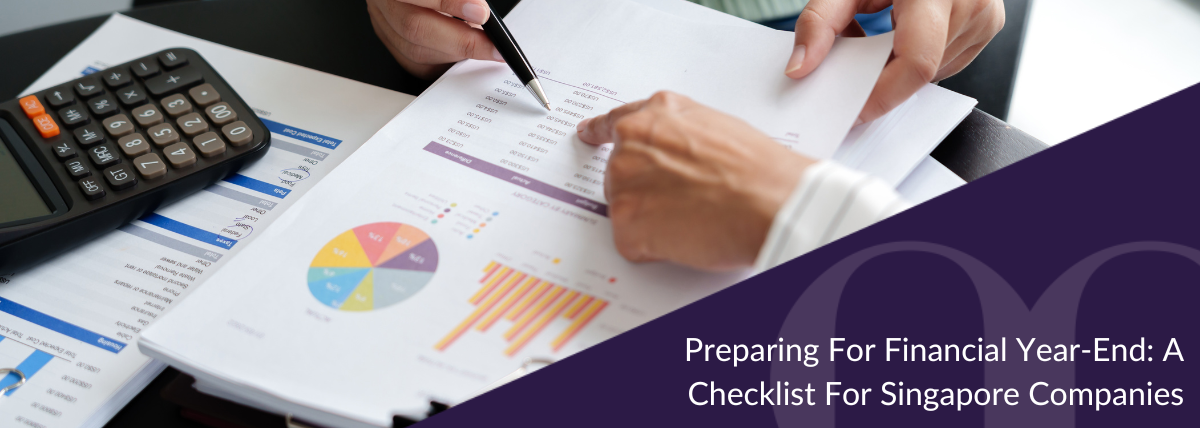
Preparing for Financial Year End in Singapore: Complete Checklist for Compliance
Ensure a smooth and compliant financial year-end in Singapore with our expert checklist covering accounting, tax fi …
READ MORE


















 In the long-awaited outcome for SGX to reveal its plans for the Quarterly Reporting (QR) framework in Singapore, a Consultation Paper has been issued by the Exchange – worded in a way that seems to leave the decision-making in the hands of the investing public and corporate stakeholders. Some sectors may be comforted that the Consultation has taken into consideration certain options and alternatives which indicate a fine-tuning of the current QR framework, rather than an outright razing of the practice. Perhaps this is in response to the loud detractors of the QR since its inception.
 Unless you’re an ice-cream seller, it is near-impossible to please everyone. And I don’t think that SGX is going to find much luck in respect of this Consultation Paper. Some listed companies which hoped to be spared from what they claim to be a burdensome QR regime, citing unnecessary costs of compliance and reporting, will probably continue to gripe about retaining this practice. SGX has also been under pressure with the opinion that the QR regime makes Singapore unattractive to new IPOs. But is this true? Some Singapore companies which have attempted a dual-listing in an Exchange not-far-north have gone through much tighter listing-regulatory regimes and there doesn’t seem to be a lack of other companies trying the same.