|
||||||||||||||||||||||||||||||||||||||
|
||||||||||||||||||||||||||||||||||||||
|
|
||||||||||||||||||||||||||||||||||||||
|
||||||||||||||||||||||||||||||||||||||
|
|
||||||||||||||||||||||||||||||||||||||
|
||||||||||||||||||||||||||||||||||||||
|
|
||||||||||||||||||||||||||||||||||||||
|
||||||||||||||||||||||||||||||||||||||
|
|
|||||||
|
|||||||
|
|||||||
|
|||||||
|
|||||||
|
|||||||
|
|||||||
|
|||||||
|
|||||||
|
|||||||
|
|||||||
|
|||||||
|
|||||||
|
|||||||
|
|||||||
|
|||||||
|
|||||||
|
|
|||||||||||||||||||||||||||||||||||||||
|
|||||||||||||||||||||||||||||||||||||||
|
|
|||||||||||||||||||||||||||||||||||||||
|
|||||||||||||||||||||||||||||||||||||||
|

Environmental, social and governance (ESG) issues are taking centre stage in Singapore’s business landscape, propelled by a global push towards climate change mitigation, with governments worldwide committing to net-zero targets. This shift has placed increased pressure on businesses to adopt responsible practices, emphasising social equity, transparency and accountability. Furthermore, evolving regulations aimed at enhancing safety and legitimacy within the business environment underscore the critical importance of ESG engagement for companies of all sizes.
It’s not just large corporations that are expected to embed ESG principles in their business operations. In Singapore, small and medium-sized enterprises contribute to 48 per cent of Singapore’s GDP and employ 71 per cent of the workforce, highlighting the role SMEs have in driving sustainable and ethical business practices that contribute positively to the overall health of the economy. As such, SME owners and business leaders are pivotal in shaping a more sustainable, equitable and responsible business future.
In this article, we explore what environmental, social and governance is and why implementing robust ESG practices and processes is not just critical but a strategic advantage for SMEs. We also uncover related opportunities for organisations and provide insights on where business owners and leaders can find the necessary support to implement these ESG practices and policies.
Environmental, social and governance is a set of practices adopted by companies to guide how they should conduct business ethically and sustainably. At a broad level, ESG covers the following elements:
Recognising that there is no ‘one size fits all’ approach to integrating ESG practices into business strategy and operations is crucial, as implementation will vary significantly across industries. For example, professional services firms may find greater leverage and opportunities for impact within social and governance, while a consumer goods manufacturer may prioritise environmental and social aspects more heavily.
ESG is a response to a range of concerns, including climate change, rising social inequality and the changing nature of economies.
Investors and stakeholders are increasingly taking ESG into account in their decision-making. Society, customers and clients also expect the companies they interact with to be environmentally and socially responsible. Companies that have robust ESG strategies to manage risks can meet these expectations and compete successfully and strongly in the market.
In Singapore, implementing robust ESG practices offers SMEs the opportunity to differentiate themselves from their competition, attracting more investment, appealing to a larger customer base and ensuring long-term success.
For SMEs eyeing European markets, showcasing solid ESG practices is vital. Europe’s strict corporate social responsibility and sustainability regulations dictate that businesses adopt and visibly demonstrate their ESG commitment.
In compliance with the Task Force on Climate-related Financial Disclosures (TCFD) recommendations, the Singapore Exchange (SGX) requires all issuers, including the many SMEs listed, to incorporate climate-related reporting in their sustainability reports. This requirement means companies will have to report on their social and environmental impacts and performance.
The date from which companies have to comply with this mandatory reporting depends on the relevant industry. For example, those in financial services, energy and agriculture are required to report under the TCFD framework from the financial year 2023. Building and transport industries will be required to report from 2024.

There’s no doubt that ESG is a priority for growing businesses and SMEs of all sizes, but implementing new policies and procedures into business operations can also increase pressure on owners, managers and staff. For small businesses particularly, implementing sustainability practices can be expensive. Busy small business owners, absorbed in the day-to-day running of their business, may not have the time to gain the knowledge needed to implement new practices effectively and give their employees the skills they need to focus on ESG issues.
Although ESG strategies can potentially yield long-term financial benefits, the immediate challenge for many SMEs lies in maintaining profitability in the short term. Balancing ESG objectives with business growth can be daunting, especially when faced with limited access to technical know-how, which stops many SMEs from even trying.
However, integrating ESG into everyday business practices does not have to be overwhelming. Beginning with small, manageable actions can set the foundation and lead to effective long-term change.
Some examples include:
Tina Thomas, Head of Environmental, Social, and Governance (ESG) at BoardRoom Group, highlighted, “Small and medium-sized enterprises often lack the comprehensive knowledge required for initiating and executing effective ESG strategies. Additionally, they may encounter significant resource limitations. Nevertheless, this is precisely the juncture at which our expertise becomes invaluable. The ESG team at BoardRoom is adept at managing these processes efficiently and in a cost-effective manner, offering a seamless solution for businesses aiming to enhance their sustainability practices.”

These challenges shouldn’t stop SMEs from exploring the benefits of ESG adoption for cost savings, improved efficiency and risk reduction.
Clients, customers, investors and regulators now expect businesses of all sizes to reduce their harmful impacts on the environment and people while increasing their resilience to the effects of climate change.
SMEs with ESG cost-saving and other strategies in place that align with their business purpose are much better placed to adapt and meet the challenges of the future while capitalising on opportunities today.

Integrating ESG into business practices, strategies and goals can be straightforward and varied based on the individual business. A business could initially take several broad steps; however, it’s crucial to define your company’s ESG goals from the outset clearly. This involves engaging stakeholders and establishing regular monitoring to identify areas for improvement.
Tina adds that a good way to start weaving ESG into day-to-day operations is by collecting and analysing data on the performance of the business. She says, “Step one is making sure there’s a process in place where you collect data on a regular basis, perhaps quarterly. Then, assess the data to expose trends, and set ESG KPIs against the data.”
The Government of Singapore offers a range of incentives and grants to help SMEs adopt ESG best practices. If you’re looking for ESG grants in Singapore or need guidance on where to start, here are some helpful resources:

There’s no doubt that environmental, social and governance (ESG) issues are becoming increasingly important for Singapore’s businesses to address. SMEs have a large role to play, and if they don’t already have ESG policies and practices in place, there is mounting pressure to do so.
Implementing ESG offers more than compliance for SMEs. It unlocks innovation, sustainability, and market leadership by fostering long-term business resilience and distinguishing your brand in today’s eco-conscious market. With Singapore’s supportive incentives and leveraging the expertise of business consultants, SMEs can seamlessly integrate ESG now more than ever before.
With a dedicated team of experienced ESG consultants in Singapore, BoardRoom can help your business maximise its positive impact and make the most of opportunities with ESG Access. BoardRoom also offers a range of other services, including company incorporation and corporate secretarial. Contact us to find out more today.

25 Feb 2026
The Stamp Act 1949 (“Act”) has long served as a foundational element of Malaysia’s tax landscape, and, like a …
READ MORE
05 Feb 2026
Discover how BoardRoom's accounting services can help you navigate the shortage of accountants in Singapore with st …
READ MORE
05 Feb 2026
Ensure a smooth and compliant financial year-end in Singapore with our expert checklist covering accounting, tax fi …
READ MORE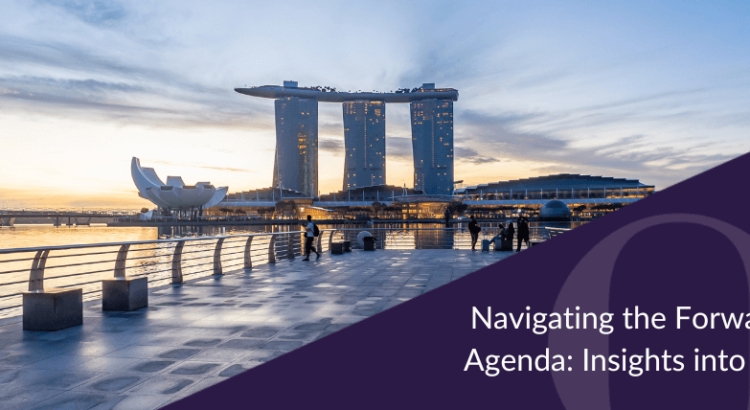
In our commitment to keeping you abreast of pivotal developments, we are pleased to present our commentary of Singapore’s Budget 2024, unveiled by Deputy Prime Minister and Finance Minister Lawrence Wong on 16 February 2024, themed “Building Our Shared Future Together”.
Reflecting on the fiscal year 2023, Singapore exceeded revenue expectations, primarily driven by higher Corporate Income Tax collections.
Against this positive backdrop, Budget 2024 is strategically positioned to propel the Forward Singapore agenda. Our detailed Singapore Budget 2024 Commentary delves into the key tax measures affecting both businesses and individuals.
Key tax measures for businesses
Key tax measures for individuals
Other key tax measures
As we collectively navigate the Forward Singapore agenda, understanding these fiscal changes becomes paramount. Download our commentary now to stay informed and ahead.
Should you have any questions on how to maximise your tax position with this latest announcement, please email our tax team at [email protected].
25 Feb 2026
The Stamp Act 1949 (“Act”) has long served as a foundational element of Malaysia’s tax landscape, and, like a …
READ MORE
05 Feb 2026
Discover how BoardRoom's accounting services can help you navigate the shortage of accountants in Singapore with st …
READ MORE
05 Feb 2026
Ensure a smooth and compliant financial year-end in Singapore with our expert checklist covering accounting, tax fi …
READ MORE
|
|||||||
|
|||||||
|
|||||||
|
|||||||
|
|||||||
|
|||||||
|
|||||||
|
|||||||
|
|||||||
|
|||||||
|
|||||||
|
|||||||
|
|||||||
|
|||||||
|
|||||||
|
|||||||
|
|||||||
|
|
||||||||||||||||||||||||||||||||||||||
|
||||||||||||||||||||||||||||||||||||||
|
|
||||||||||||||||||||||||||||||||||||||
|
||||||||||||||||||||||||||||||||||||||
|
|
|||
|
|||
|
|||
|
|||
|
|||
|
|||
|
|||
|
|||
|
|||
|
|||
|
|||
|

Expanding a business overseas is a critical growth goal for many organisations. The appeal of new markets is enticing, but the challenges of moving into offshore territories can be overwhelming.
Understanding and complying with diverse, unfamiliar legal frameworks, tax structures and regulatory compliance standards in foreign territories is a complex process, and non-compliance can result in far-reaching consequences for any business. For owners, entrepreneurs and leaders keen to pursue overseas opportunities but needing an in-depth understanding of local issues, specialist business process outsourcing (BPO) services can be essential to safe and successful expansion.
Through a BPO partner, businesses gain insights into local compliance and strategic support in navigating the intricate process of establishing and growing your presence in new markets.
In this article, we explore what a BPO provider is, what they do for their clients, and how BPO can help clients navigate regulatory complexities when considering expansion into Asia.
Running a business, especially one that is expanding globally, is complex and can be fraught with compliance risks. Missteps in unfamiliar areas can lead to significant consequences, demanding careful navigation, knowledge and skills. That is where business process outsourcing (BPO) comes in. BPO occurs when a business outsources critical backend functions to external entities.
However, it’s important to recognise that certain functions will come with an increased need to find a provider that specialises in regulatory compliance.
Some of these functions are:
When you engage an expert BPO service provider with specialised skills in regulatory compliance to outsource these critical functions to, your staff can concentrate on your business’s core competencies. By working with an expert provider and also being aware of how each function interplays with your company’s broader operations and expansion goals, risk can be mitigated, ensuring the integrity and continuity of your core business activities.

Asia’s robust economic growth and diverse markets make it an increasingly attractive destination for business expansion. In this rapidly growing business environment, understanding the key factors crucial for successful business expansion is pivotal for tapping into the region’s unique opportunities.
Business owners entering new markets in Asia must understand that the regulatory landscape in the region has evolved and continues to evolve rapidly. Hugo Walkinshaw, Group Chief Executive Officer of BoardRoom, has this advice for foreign investors entering Asia. “There’s some commonality among Commonwealth countries, but you cannot assume if you have a footprint in one country, you can easily take that elsewhere. We advise businesses to be aware that Asia’s not one place.”
Just as every country has a unique culture, language, time zone and climate, so too are its regulatory framework, laws, processes and ESG standards. Therefore, it is recommended you get advice from a BPO provider who has the experience in regulatory compliance and deep relationships with the regulators in the country you are planning to enter.
Owners and business leaders who fail to consider the complex regulations are putting their personal and business reputations at risk.

Technology is changing how businesses operate, and the regulations that govern technology are also evolving rapidly. This complexity is magnified in Asia due to the diverse legal and technological landscapes across different countries.
An example is data security, which has become increasingly complex in a rapidly-digitised world where data is valuable, and automation is commonplace. Businesses have a duty of care to themselves, their staff and their customers to protect data and information systems. A service provider with sound security systems in place is an essential layer of protection to your business, ensuring compliance with local data protection laws. This is especially crucial for functions like payroll, where sensitive employee data must be handled with care and accuracy across different legal frameworks.
Partnering with a compliance-focused service provider who understands these regulations and leverages the latest technology provides assurance that compliance requirements are consistently met.
The Y2K scare, the 1997 Asian crisis, the 2007-08 Global Financial Crisis and COVID-19 – the past two decades have been punctuated by massive economic uncertainty and geopolitical volatility. These factors make for an increasingly complex environment for businesses. However, Hugo says economic opportunities in the region are still compelling.
A corporate services provider that offers an integrated suite of services across multiple countries can leverage regional expertise and serve as a single point of contact for businesses moving into Asia. Furthermore, businesses ought to seek a seasoned provider with a appropriate market presence that is aligned with your expansion goals. These providers will have first-hand experience navigating legislative changes and are better positioned to address the needs of businesses amidst volatile geopolitical and economic uncertainty.
When choosing a BPO provider, it is important to understand their size and scale. What services do they provide, and which countries do they operate in?
Businesses entering Asia will find many providers that Hugo calls “single-service, single-country local players”. But these might not offer a comprehensive enough service for your business. Choosing a provider that operates in several countries with a range of services is often a better option, allowing your business to enter whichever country you decide to expand into.
Furthermore, a service provider with regional expertise and integrated services like corporate secretarial and tax advisory can also help optimise your business’s tax payouts. This starts at the incorporation stage with the advice on the most advantageous business structure. Different business structures have varying tax implications, and a knowledgeable service provider can navigate these intricacies to ensure that your business benefits from tax efficiency while remaining compliant.

Successfully establishing a business in Asia requires a deep understanding of its laws and regulatory structures. Regulatory compliance-focused BPO service providers equipped with this expertise offer invaluable guidance to help businesses navigate the complexities of regional expansion. They take on the responsibility of a range of business processes, freeing up your time and resources to grow your business.
At BoardRoom, we have the regional expertise to help your business navigate the complex regulatory landscapes and technology integration in various Asian nations.
Our multi-service offering and our years of experience managing cross-border expansion means you get integrated, efficient solutions to help your business succeed:
Contact our team for your expansion needs now!
25 Feb 2026
The Stamp Act 1949 (“Act”) has long served as a foundational element of Malaysia’s tax landscape, and, like a …
READ MORE
05 Feb 2026
Discover how BoardRoom's accounting services can help you navigate the shortage of accountants in Singapore with st …
READ MORE
05 Feb 2026
Ensure a smooth and compliant financial year-end in Singapore with our expert checklist covering accounting, tax fi …
READ MORE
|
|||||||
|
|||||||
|
|||||||
|
|||||||
|
|||||||
|
|||||||
|
|||||||
|
|||||||
|
|||||||
|
|||||||
|
|||||||
|
|||||||
|
|||||||
|